
Plumbing Permits & Plan Reviews
Plumbing Permits & Plan Reviews
Many times, homeowners think permits are only required for major remodels, but even seemingly small projects need to be permitted, even if the homeowner intends to do the work oneself. Plumbing Codes are put in place for safety and protection of human and environmental health. The only instance where a plumbing permit is not required is if a fixture (faucet, shower head, etc.) is being replaced with one that has the same flow rating as the original.
Do I Need a Plumbing Permit? Quick Guide
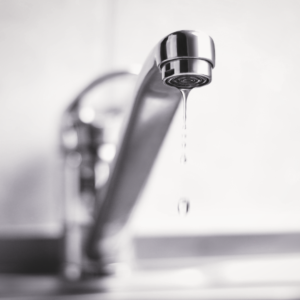
PERMIT = NOT Required
The repair or replacement of a faucet, flush valve, supply tube, individual fixture stop, toilet fill valve, or flushing mechanism that is in-kind to what you currently have does not require a plumbing permit.
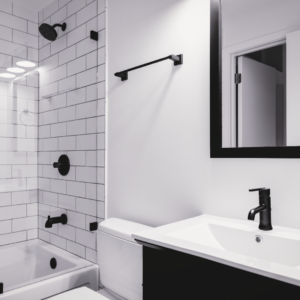
PLUMBING PERMIT = Required
A plumbing permit before the installation of a new plumbing system, upgrade or changed system, even if the homeowner is doing the work oneself, requires a plumbing permit.
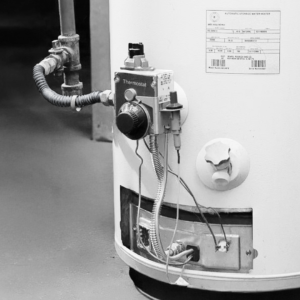
PLUMBING PERMIT = Required
A plumbing permit is required prior to the installation of a new water heater. Homeowners should keep in mind that this household essential can be dangerous if installed incorrectly. Improper installation due to incorrect connections, venting or clearance could result in electrical shock or fire. A small error in the installation of a gas water heater could cause a poisonous leak or explosion.
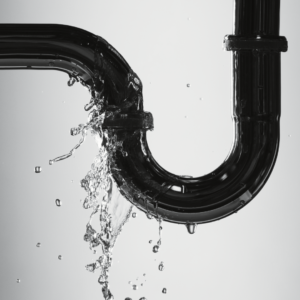
address emergency – PLUMBING PERMIT FOLLOW-UP ASAP after
Plumbing permits must be obtained prior to any work – except in an emergency. However, a permit must be obtained the first business day following the emergency and work cannot be covered, backfilled, or concealed before an inspection is done by Plumbing Control.
Any commercial, industrial, institutional, or multiple-family house needs plumbing plan approval and permits issues by Plumbing Control prior to work starting.
Additions, replacements, and relocations of plumbing pipes, even something as common as water heater installations, require a plumbing permit because they could pose a risk to human health if not installed properly.
Owner-occupants of single-family homes looking to do permitted work themselves must submit a completed application, a Homeowner Plumbing Permit Request Statement, and a Homeowner Permit Review form to Plumbing Control in-person and comply with the “Homeowner Conditions” outlined in the permit application.
Plumbing Control Plan Reviews
Applications for all commercial buildings and multi-family dwellings require a plan review as part of the application process, before a plumbing permit will be issued. Required documents include the following, as applicable: