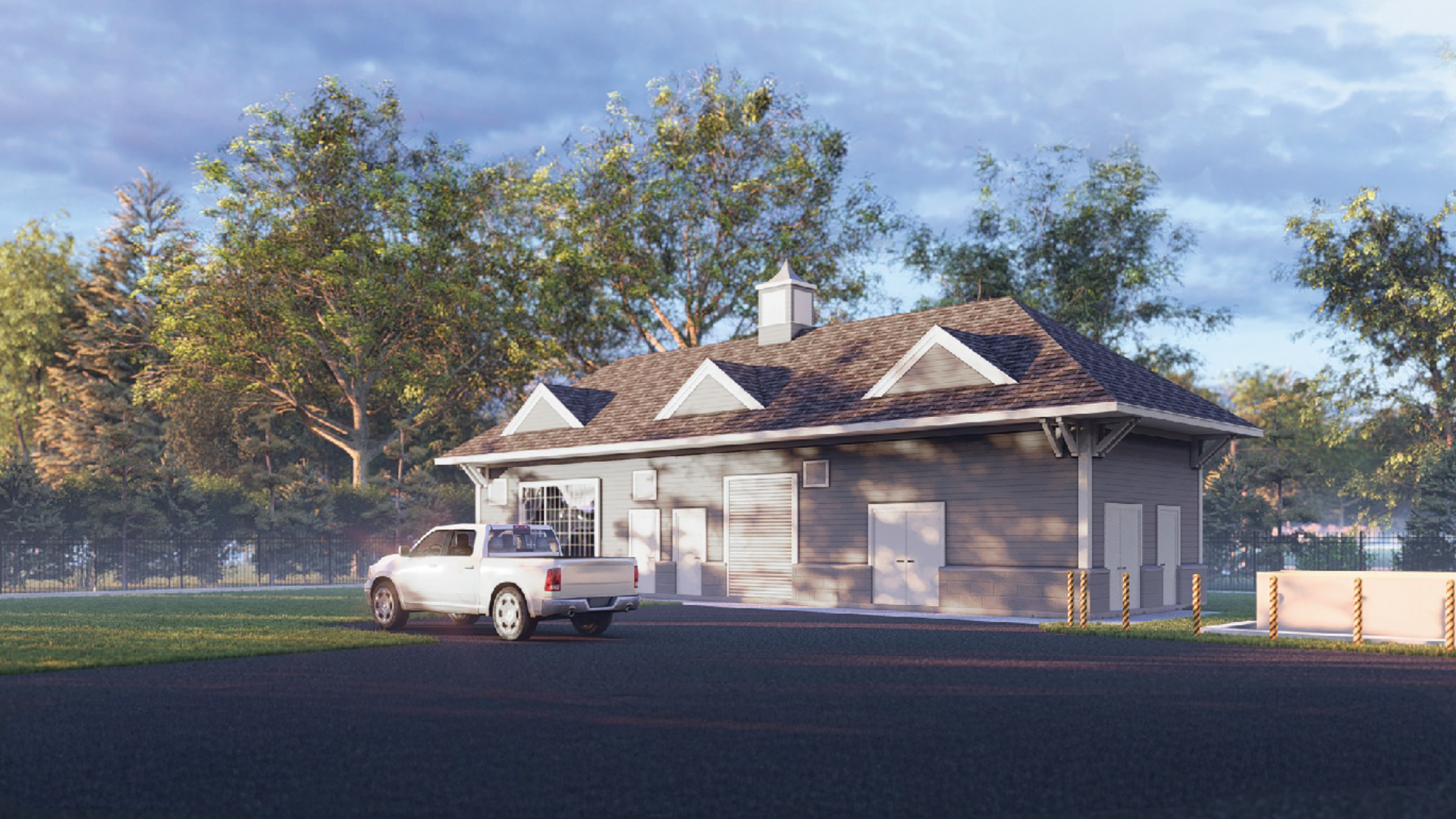
Our Facilities
Our facilities play a crucial role in safeguarding the water environment for our community. From wastewater to clean water, our sewer system and facilities are equipped with technology and dedicated staff working around the clock to maintain high standards of environmental protection and public health.
Treatment Plants
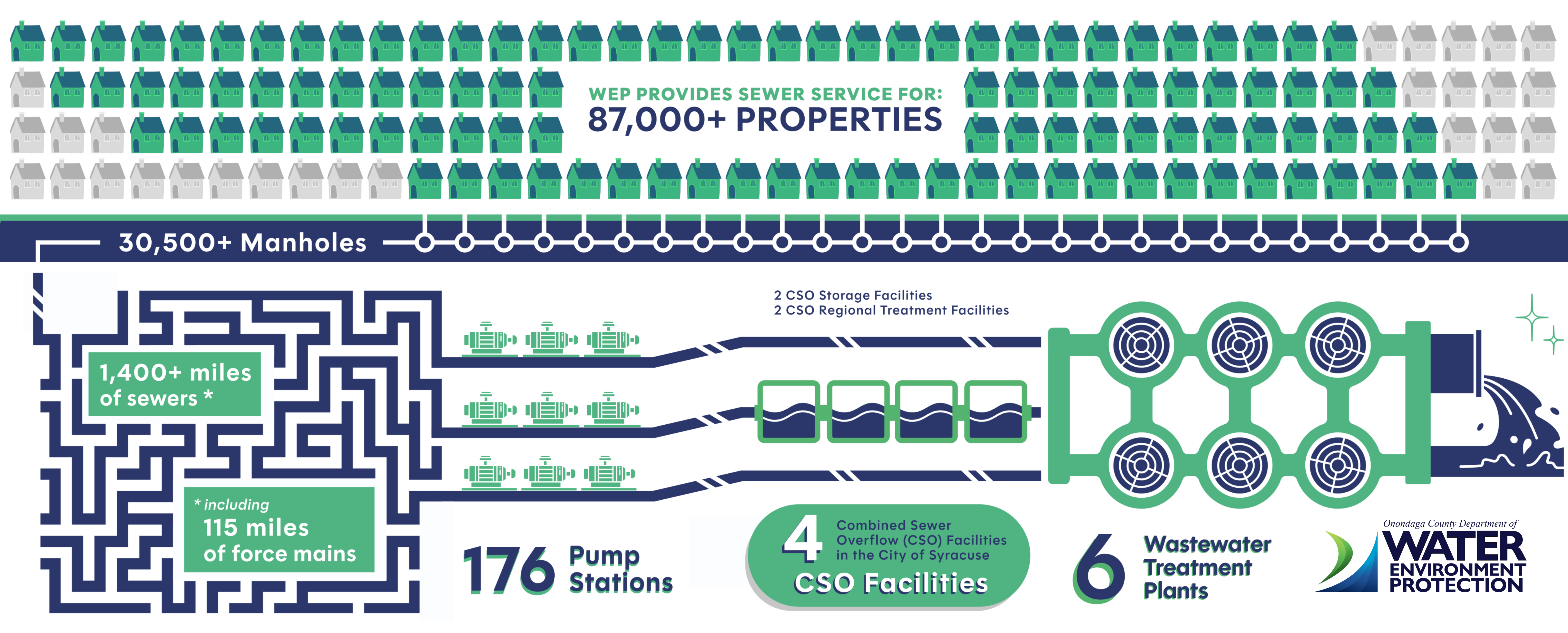
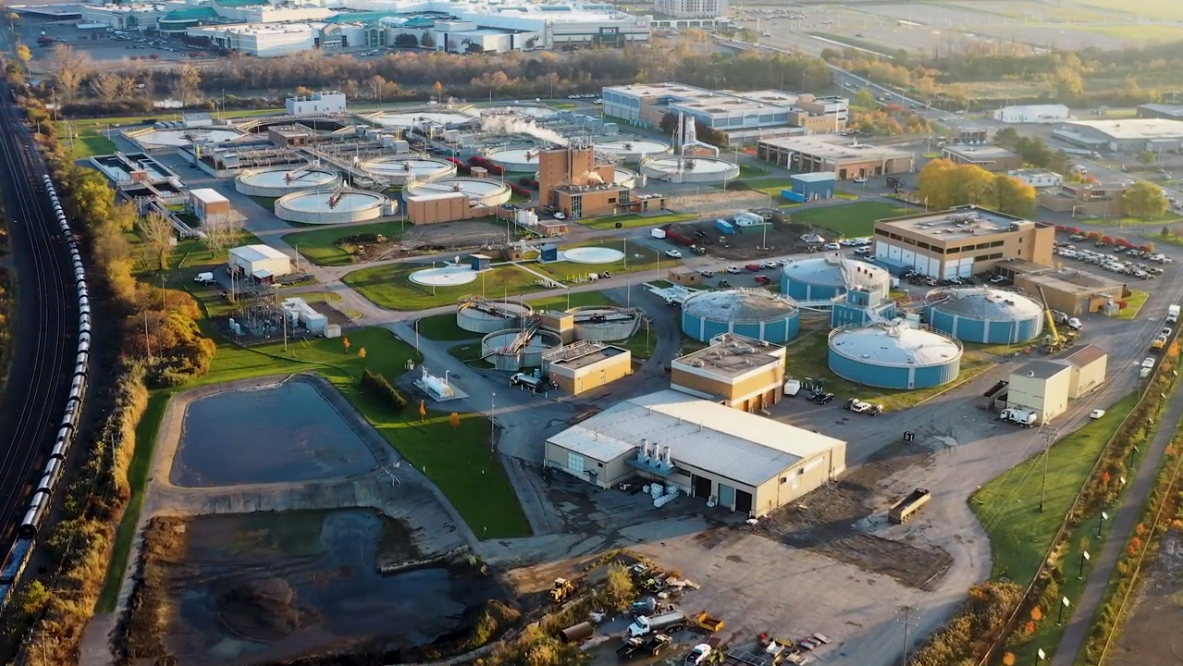
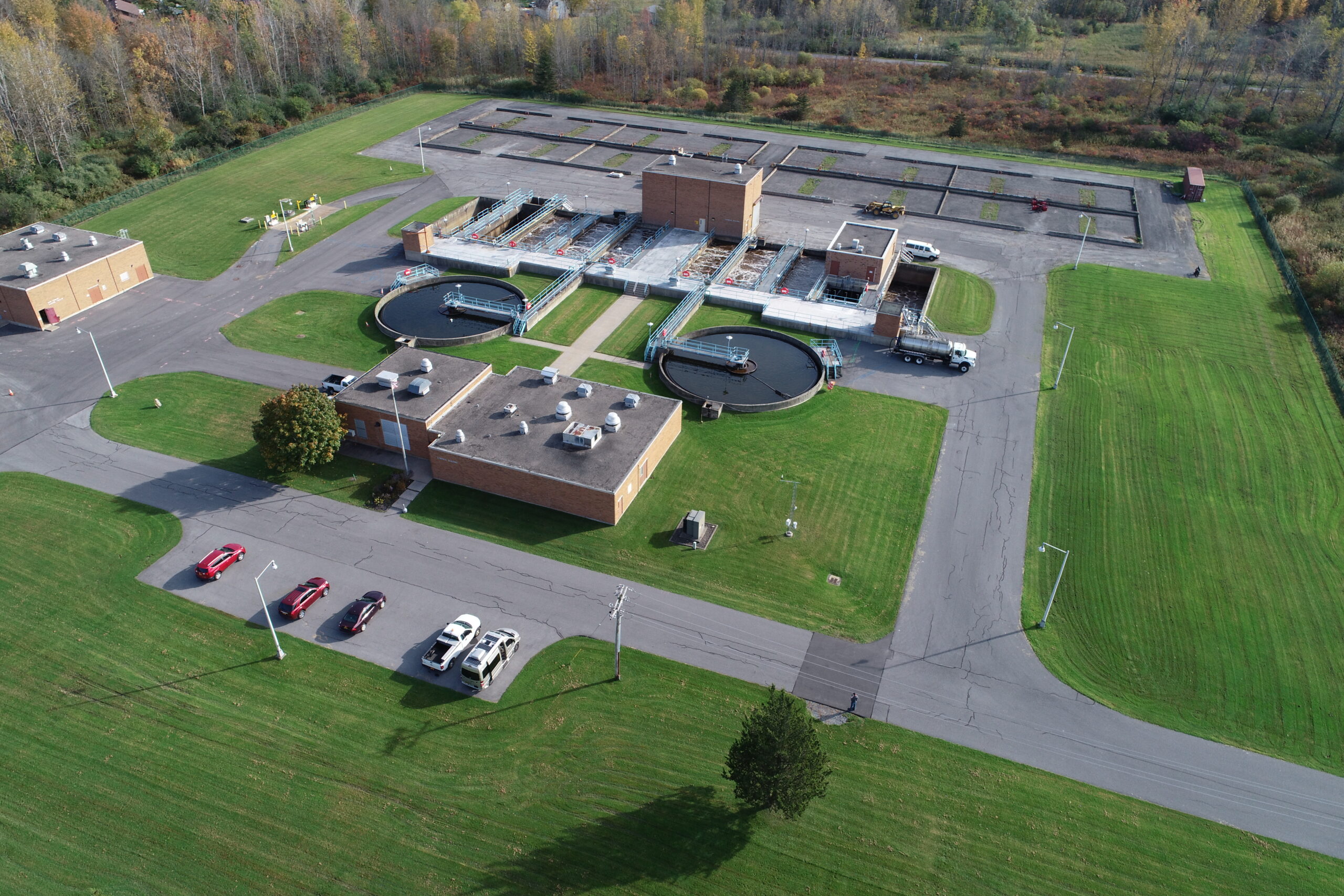
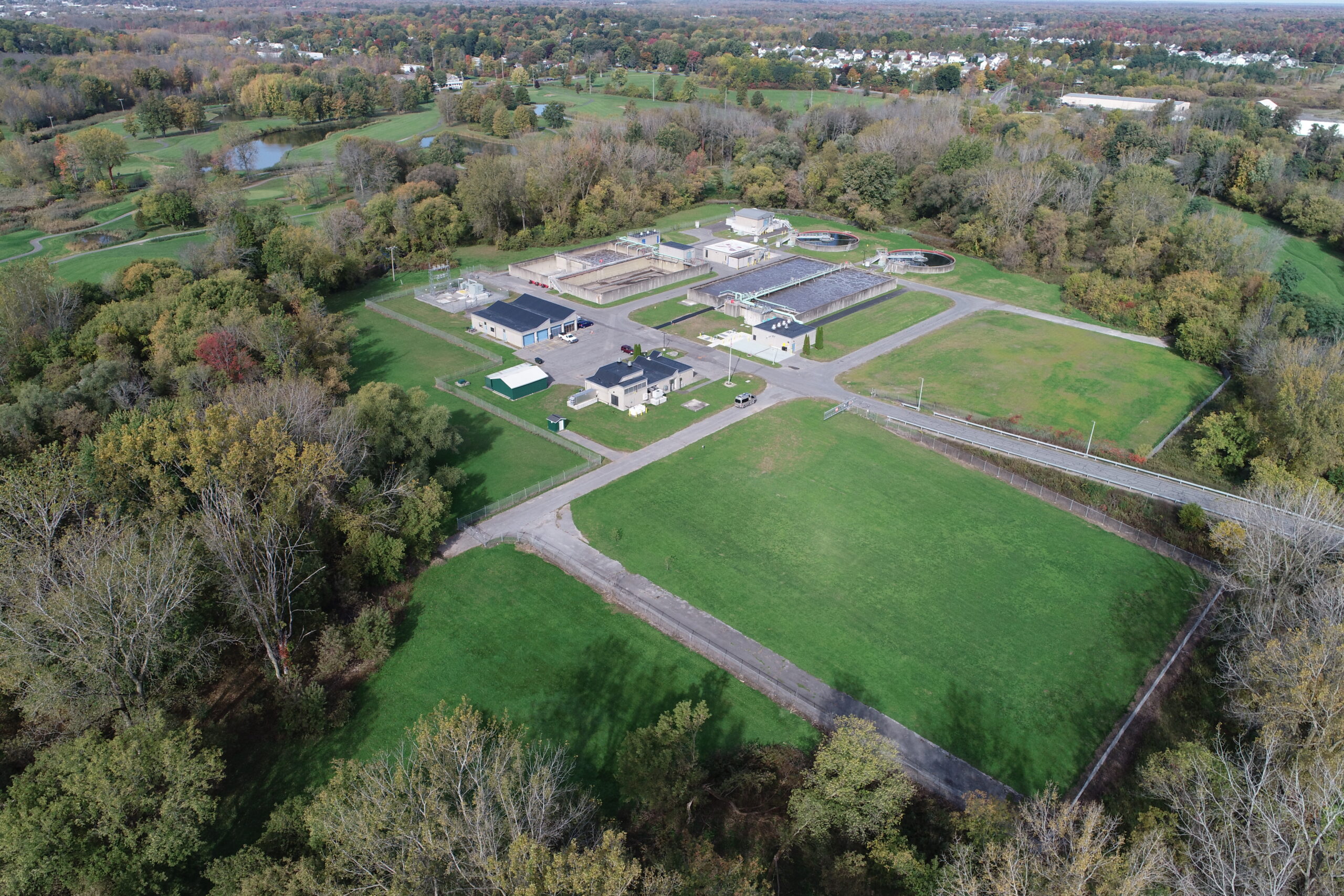
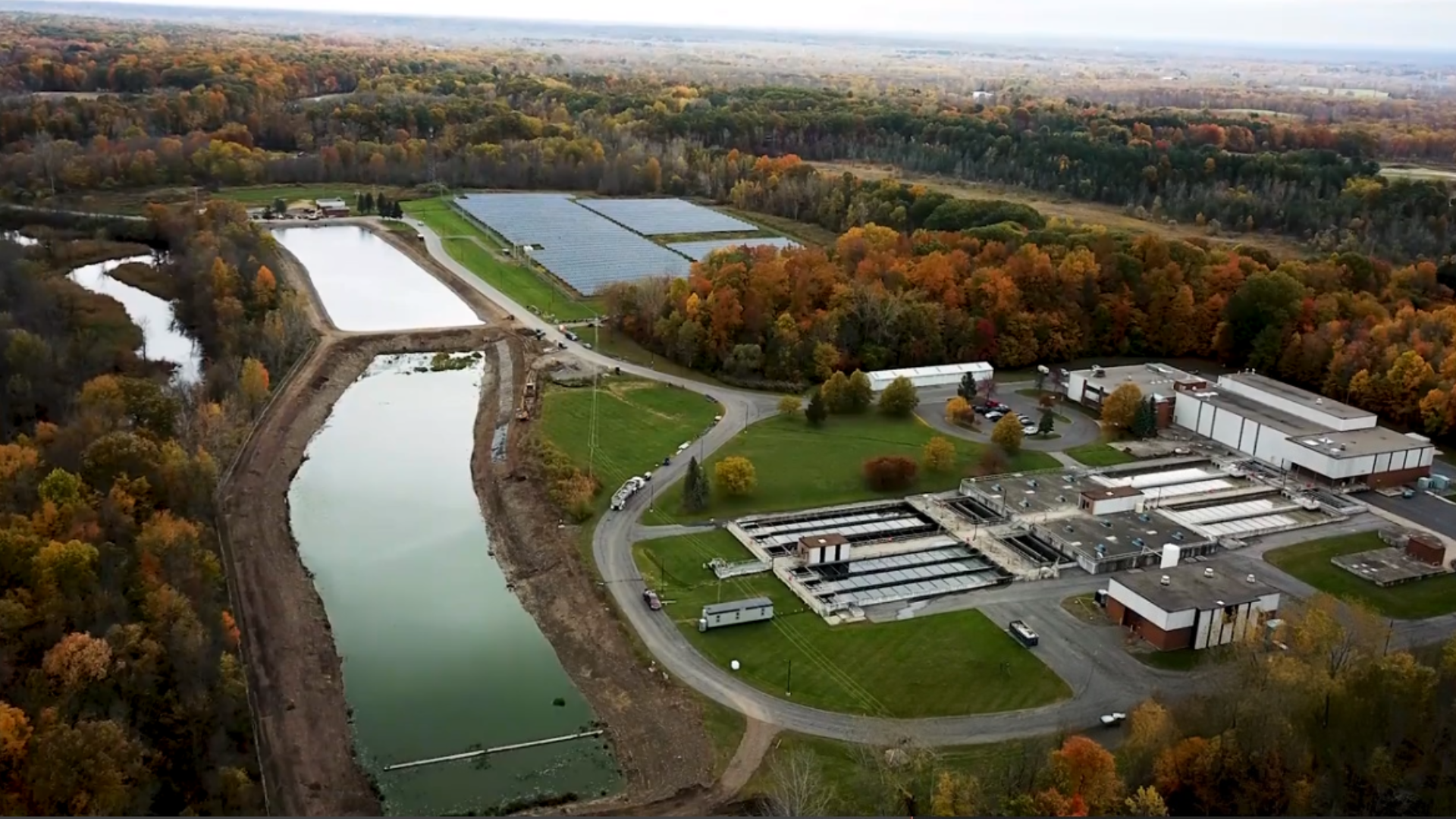
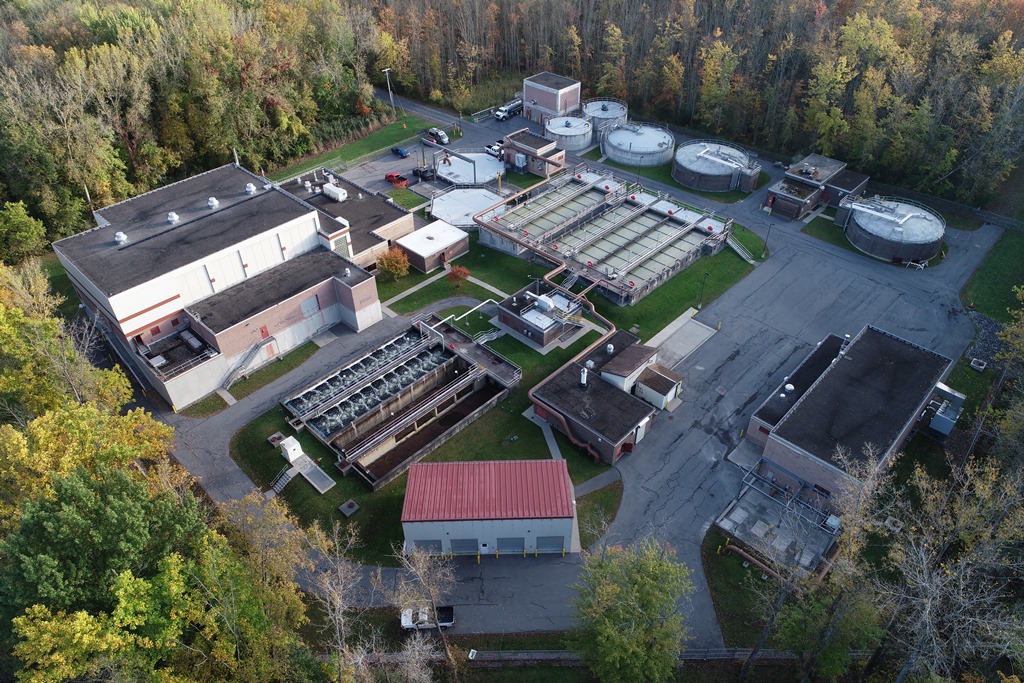
The Onondaga County Department of Water Environment Protection (WEP) owns and operates six wastewater treatment plants that collect and treat domestic, commercial, and industrial wastewater within the Consolidated Sanitary District (CSD). These treatment plants are essential infrastructure that ensure the safe and effective treatment of wastewater. Their main purpose is to remove the harmful pollutants and pathogens from wastewater.
Combined Sewer Overflows
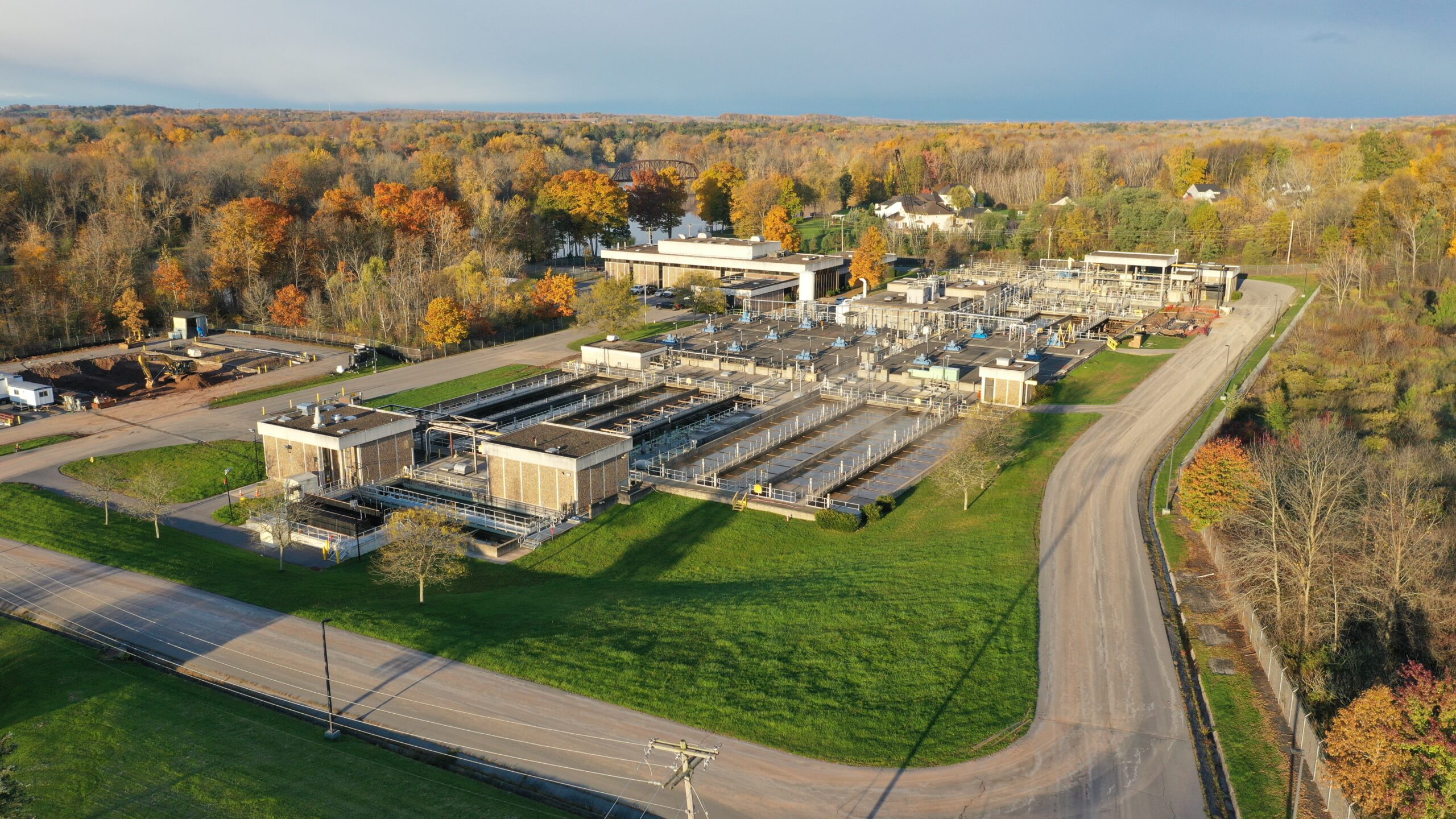
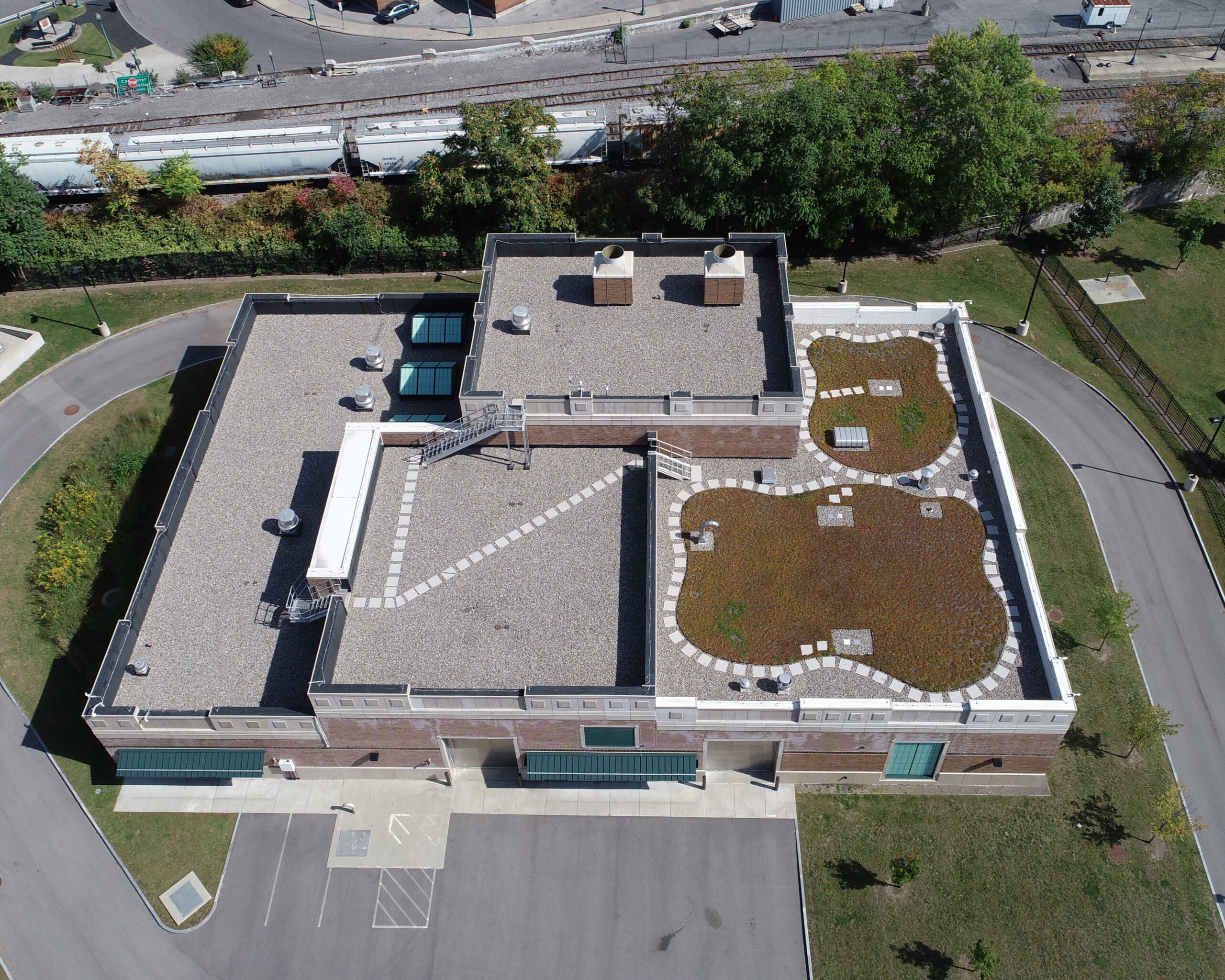
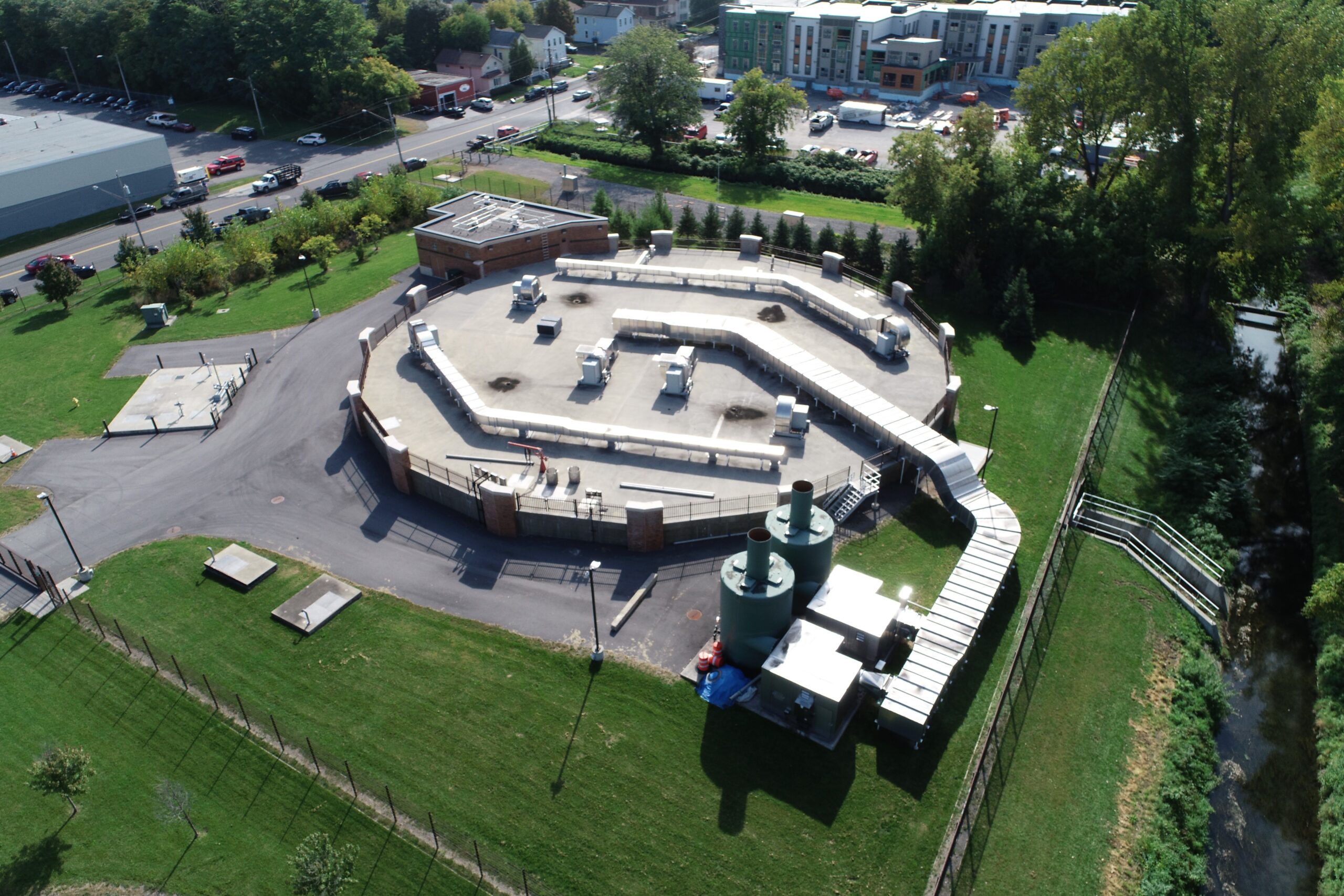
Combined sewer overflows (CSOs) and connected facilities are essential for managing excess stormwater and wastewater during heavy rainfall events. These facilities help protect waterways from pollution and maintain quality standards. WEP owns and operates four CSO facilities in the City of Syracuse, which has a combined sewer system. Two storage facilities capture excess flow and store it until it can be conveyed to the Metropolitan Syracuse Wastewater Treatment Plant. Our regional treatment facilities (RTFs) have added technology that can treat excess flow before it is discharged to the environment.
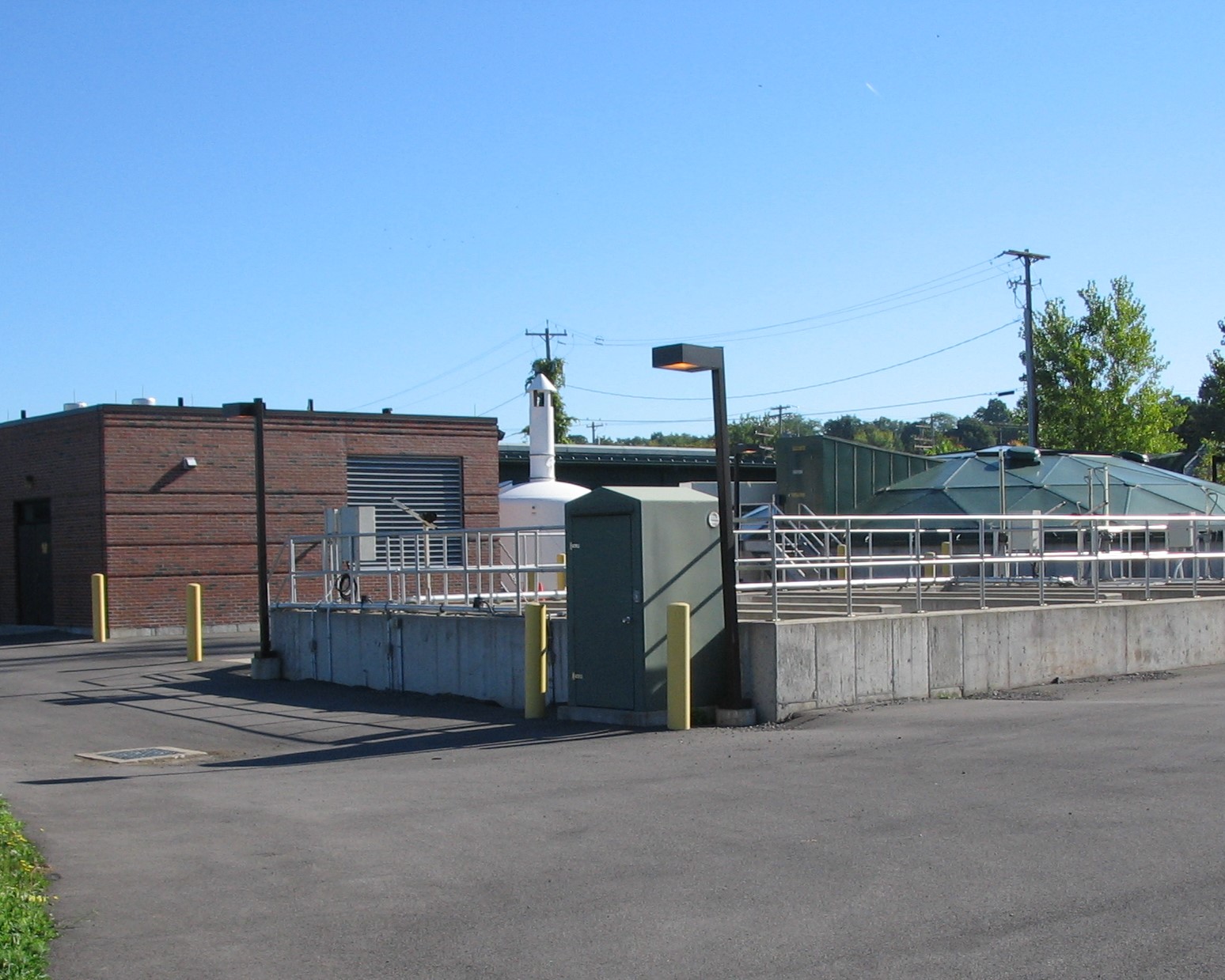
Hiawatha RTF 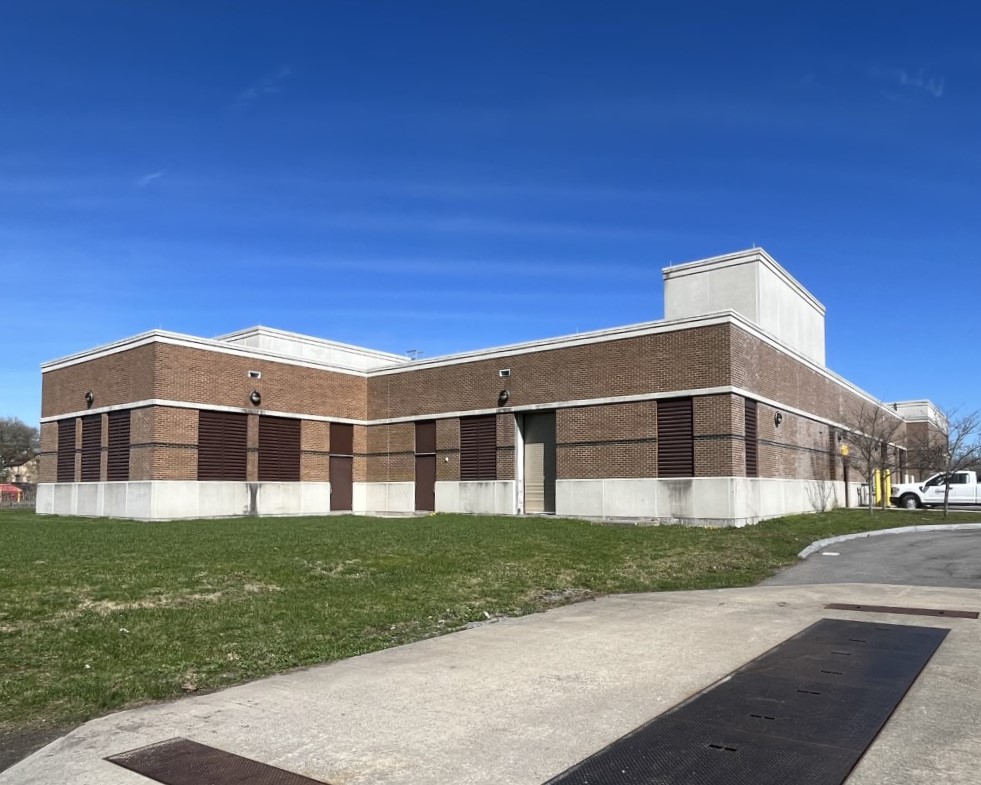
Midland RTF
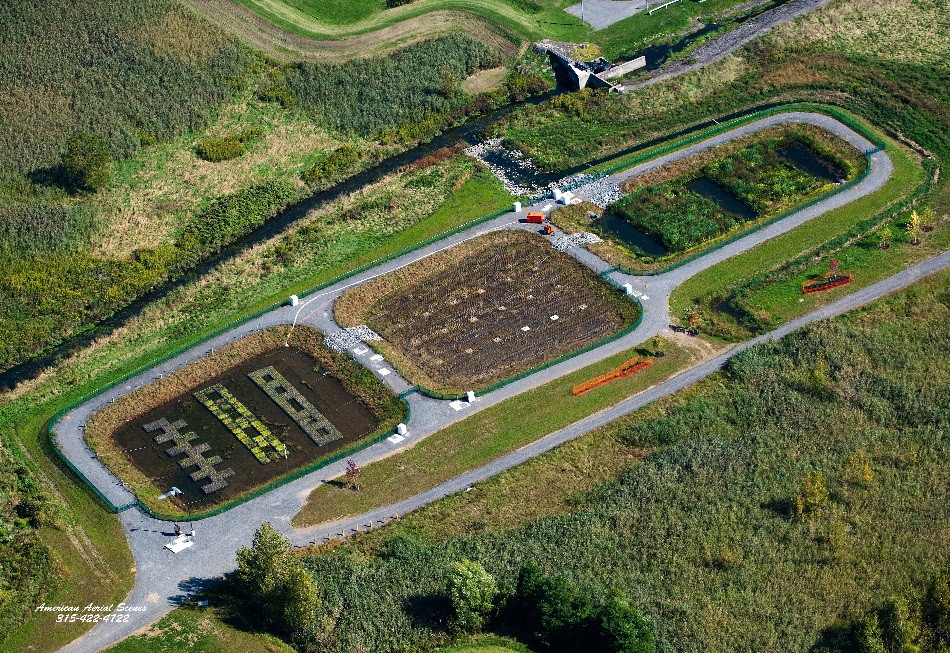
These smart gray investments, together with WEP’s innovative green infrastructure, are a national model for the implementation of a balanced approach to stormwater management. Learn more about our Save the Rain initiatives to manage combined sewer overflows and reduce the amount of pollution that flows into Onondaga Lake and its tributaries, and other green infrastructure to reduce the amount of stormwater entering the sanitary sewer system, by visiting SavetheRain.us.
Henry Clay Laboratory
The Henry Clay Laboratory guarantees WEP’s compliance with environmental regulations at the federal, state, and local levels. Fully certified by the National Environmental Laboratory Accreditation Conference, this state-of-the-art facility performs over 100,000 analyses each year, ensuring the protection and improvement of our water quality.
Pump Stations
Pump stations are critical components of the sewer system. In large part, the sewer system uses gravity to move wastewater but when gravity can’t, pump stations move the wastewater from lower to higher elevations. WEP maintains 176 pump stations within the CSD.
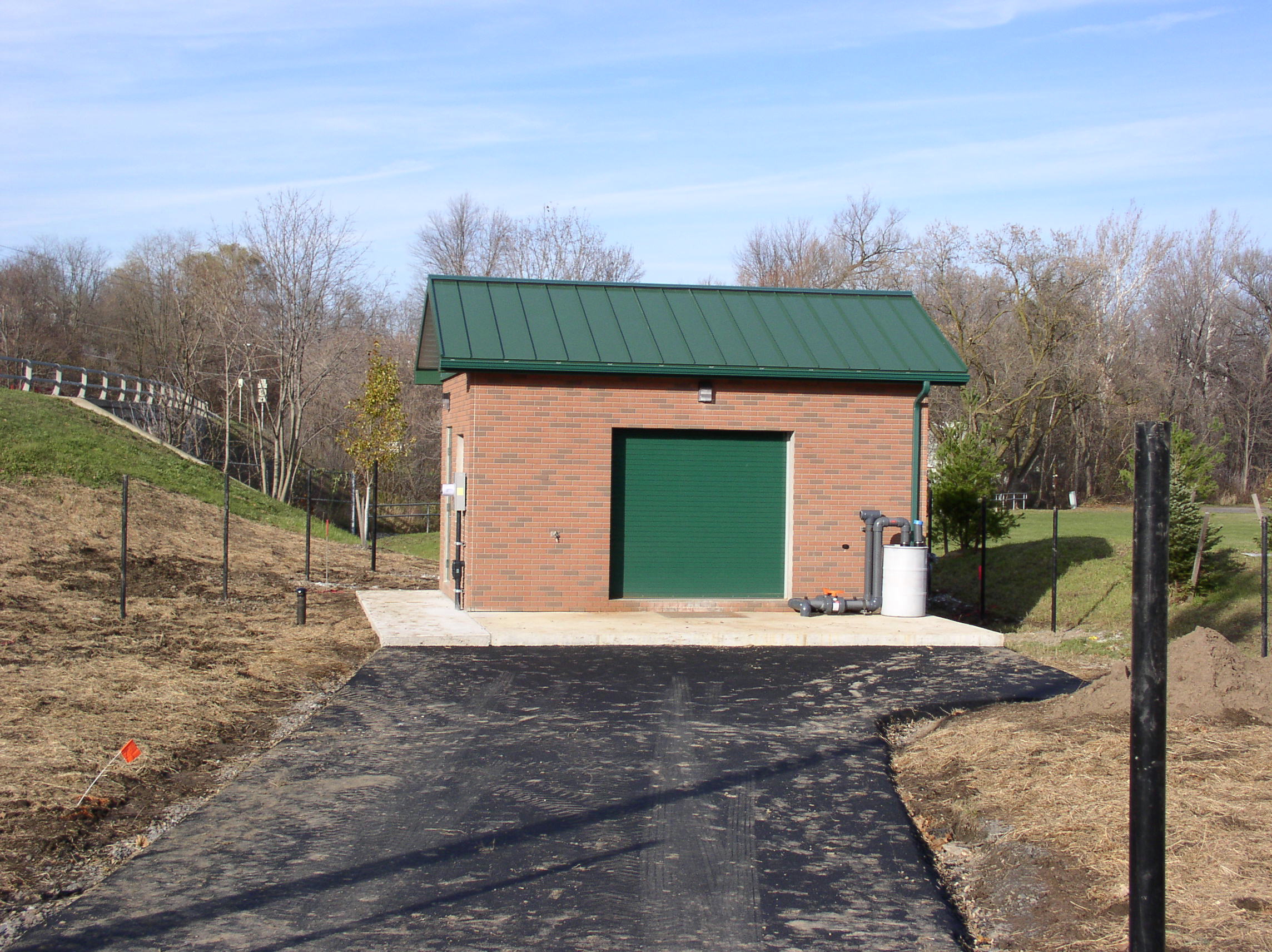
First Street, Camillus 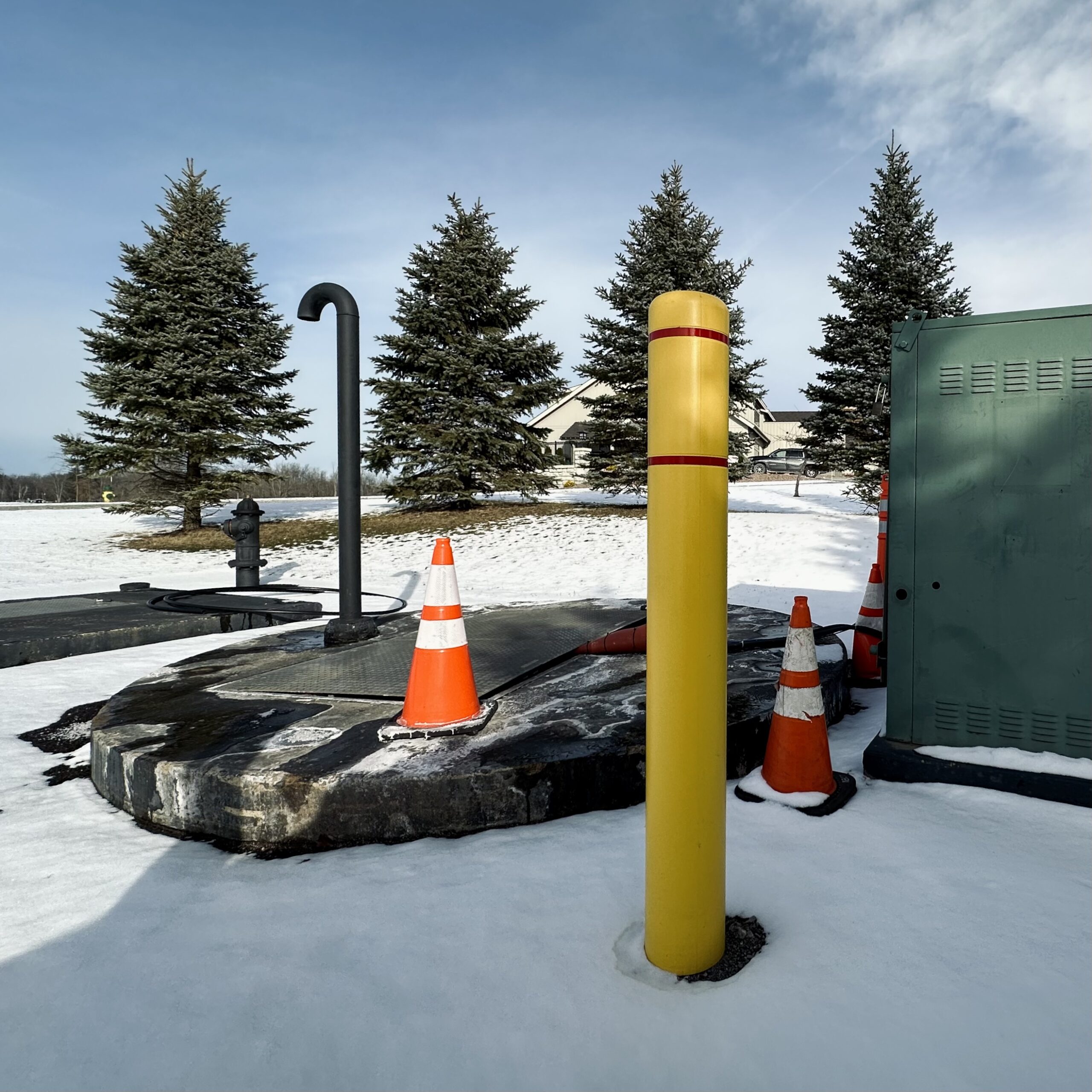
Timber Banks 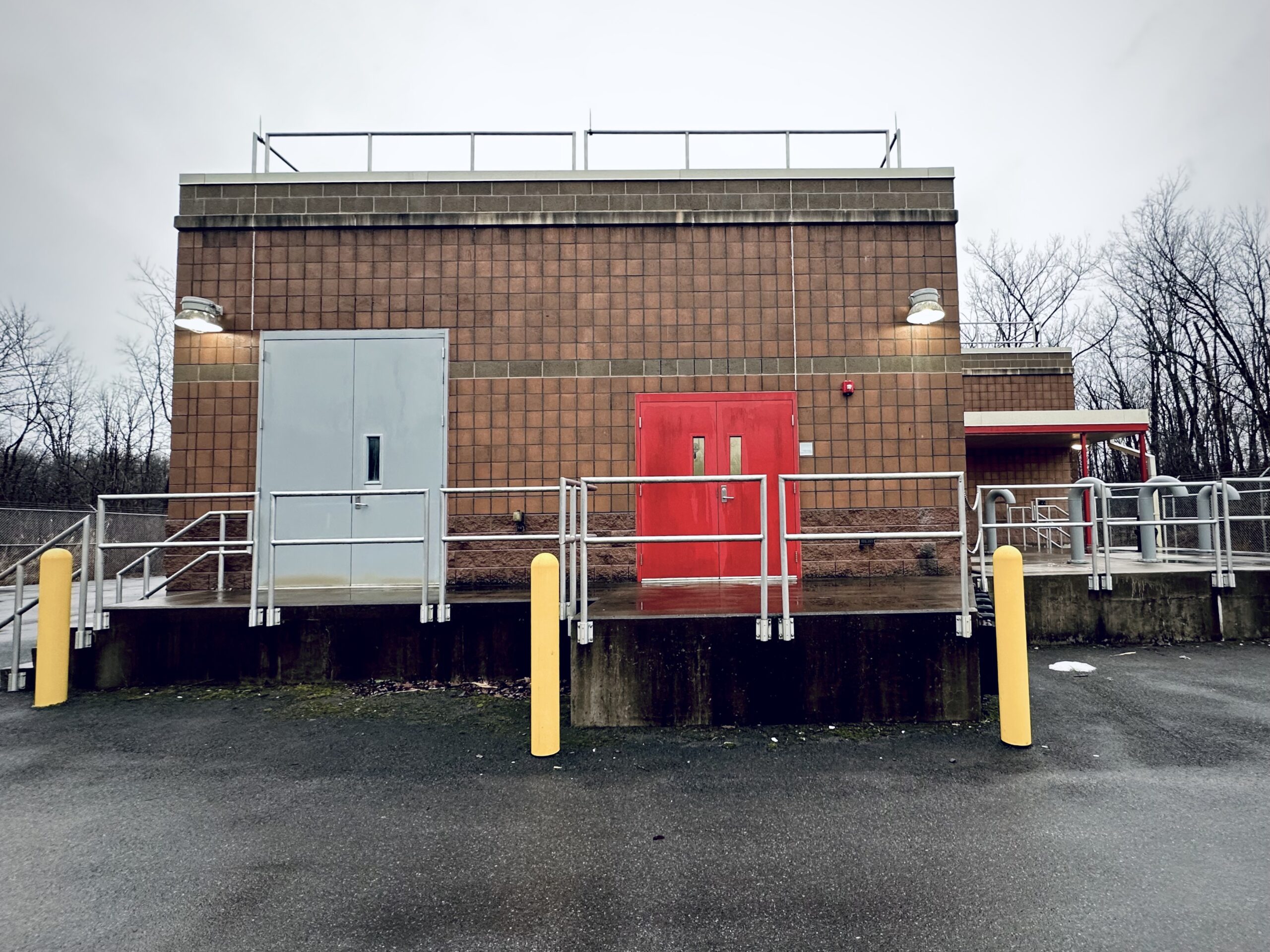
Sawmill Creek 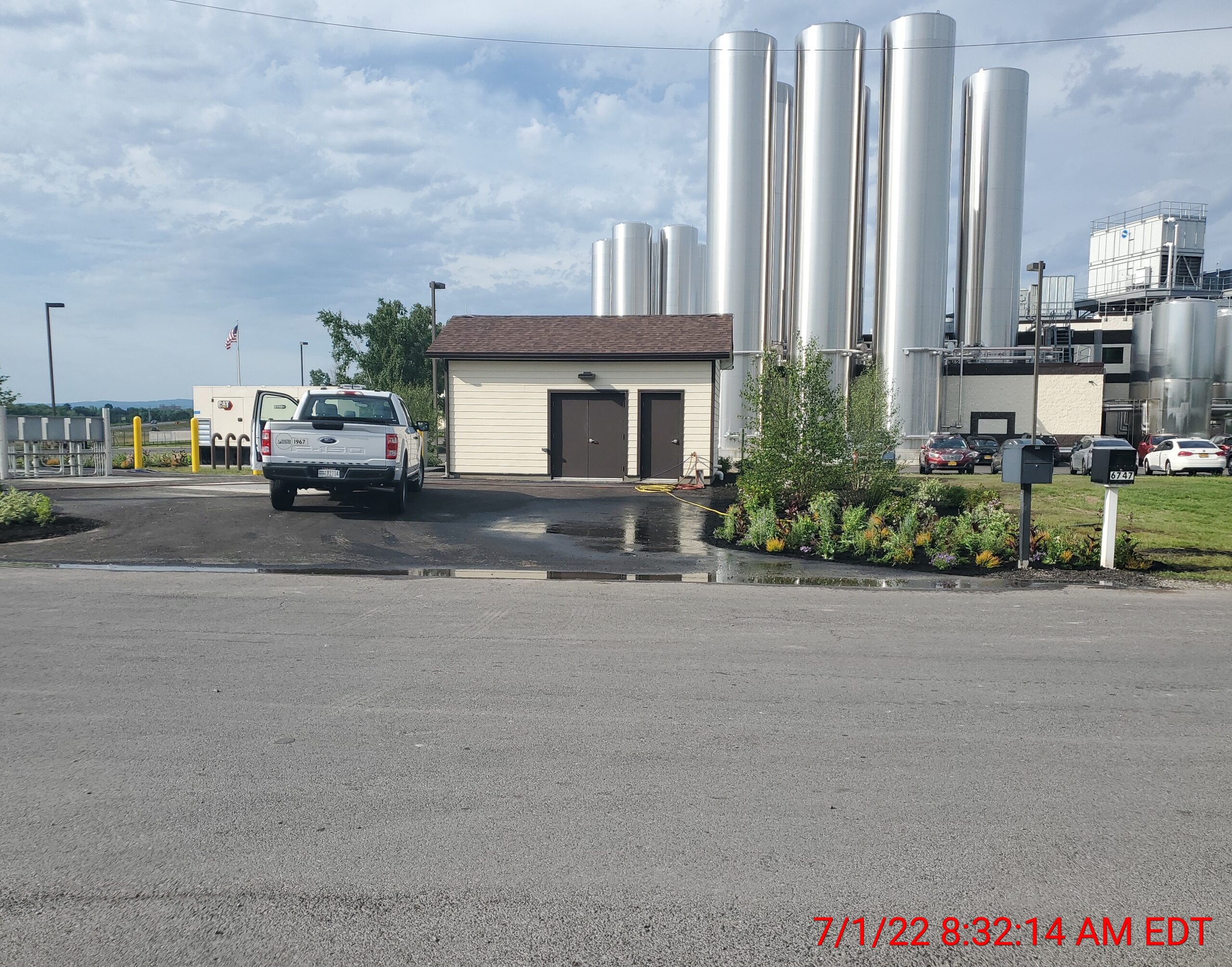
Benedict Road