
Latent Prints
The Latent Print section examines evidence for the presence of friction ridge impressions—fingerprints, palm prints, and occasionally footprints—left through the natural secretions of the skin or contaminants such as blood or other substances. These impressions can be developed, visualized, and compared to known exemplars to help identify or eliminate individuals associated with a crime. Latent print evidence can link a suspect or victim to a scene, connect related cases, or exclude individuals from suspicion. The section also conducts digital image processing and enters unidentified prints into state and national databases for potential identification.
Services Offered
Latent Print Development
Latent Print Development involves processing evidence to visualize friction ridge impressions that are not readily visible. Various techniques are used depending on the nature of the surface and the condition of the evidence, including powder dusting, chemical treatments (such as cyanoacrylate fuming, ninhydrin, or DFO), and alternate light source examination. Developed impressions are photographed using high-resolution digital imaging to preserve their detail for analysis and potential database entry.
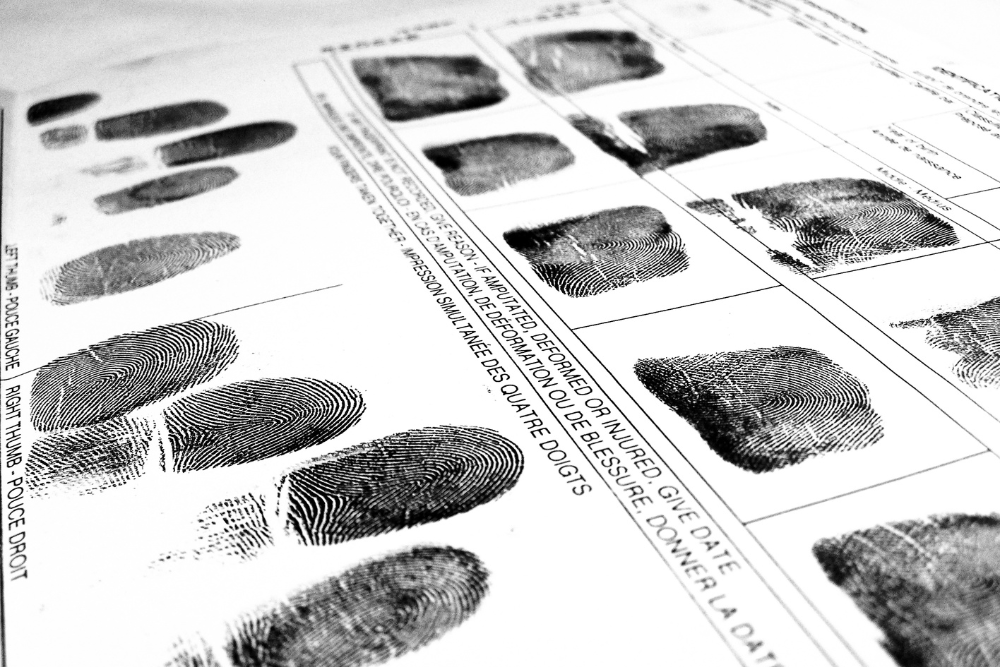
SABIS and NGI Database Searching
The State Automated Biometric Identification System (SABIS) and the FBI’s Next Generation Identification (NGI) system allow for digital searching and comparison of unknown latent prints against millions of stored fingerprint and palm print records. Database searches can generate investigative leads by identifying possible matches to known individuals or linking unsolved cases with similar latent impressions. Once potential candidates are generated, examiners perform a manual comparison to confirm or eliminate the match.