Forensic Chemistry
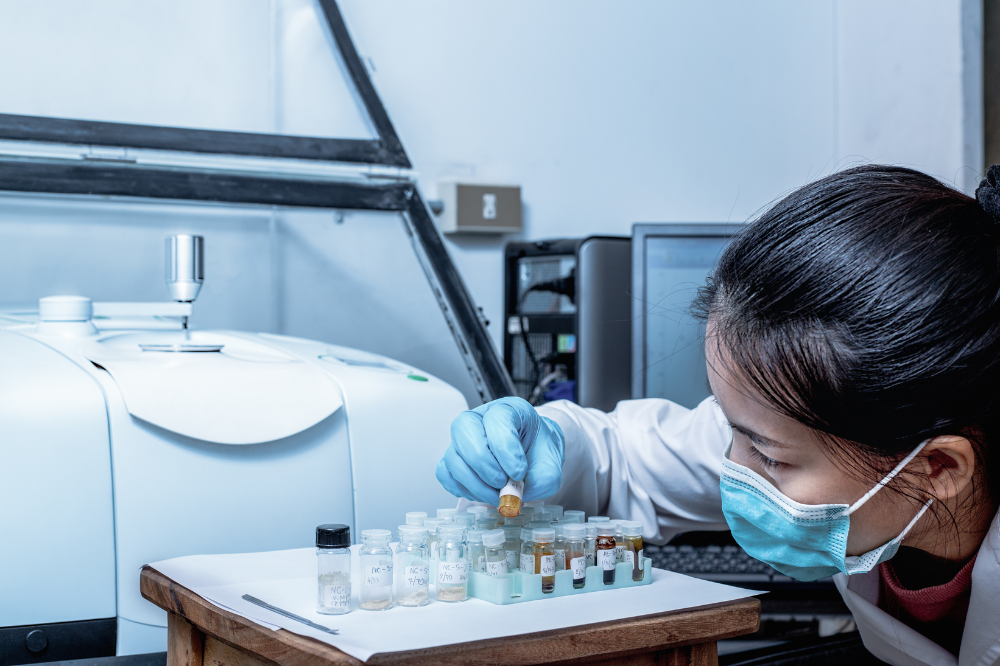
The Forensic Chemistry Section is responsible for the qualitative and quantitative analysis of powders, liquids, tablets, capsules, and plant materials to determine the presence and identity of controlled substances. In addition to drug analysis, this section conducts the examination of fire debris and liquid samples collected during arson investigations to identify ignitable liquids and ignitable liquid residues.
Services Offered
Controlled Substance Identification
The Controlled Substance Identification service involves the qualitative analysis of suspected drugs to determine their chemical composition and identity. Using validated analytical techniques such as gas chromatography–mass spectrometry (GC-MS), Fourier transform infrared spectroscopy (FTIR), and other instrumental methods, scientists accurately identify controlled substances and related compounds. These analyses provide reliable, court-admissible results that support law enforcement investigations and legal proceedings by confirming the presence of illicit or regulated substances.
Cocaine Quantitation
The Cocaine Quantitation service determines the concentration and purity of cocaine within a submitted sample. Through the use of precise analytical methods such as GC-MS or high-performance liquid chromatography (HPLC), scientists measure the amount of cocaine present relative to the total sample weight. Quantitative results are critical in supporting criminal investigations and prosecutions, as they may inform charging decisions and sentencing by establishing the strength and composition of the substance.
Fire Debris Analysis
The Fire Debris Analysis service examines samples collected from suspected arson scenes to detect the presence of ignitable liquids or ignitable liquid residues. Analytical methods such as GC-MS are employed to detect, separate, and identify trace levels of hydrocarbons and related compounds associated with ignitable liquids. Results from fire debris analyses provide probative evidence to support the investigation and prosecution of arson offenses by establishing the presence and classification of accelerants at a scene.
Methods Utilized
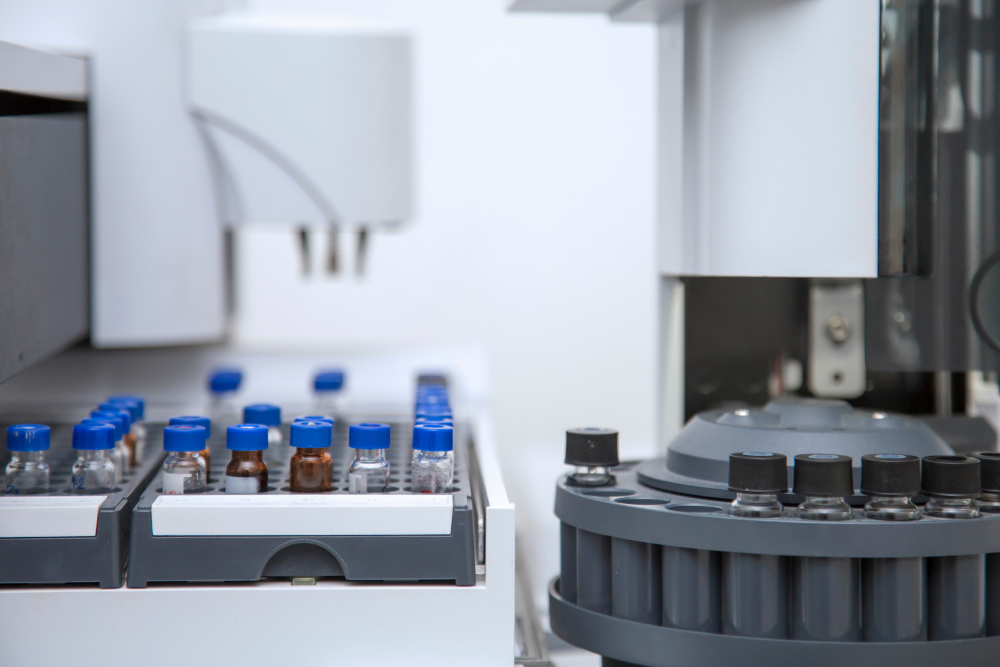
Gas Chromatography–Mass Spectrometry (GC-MS)
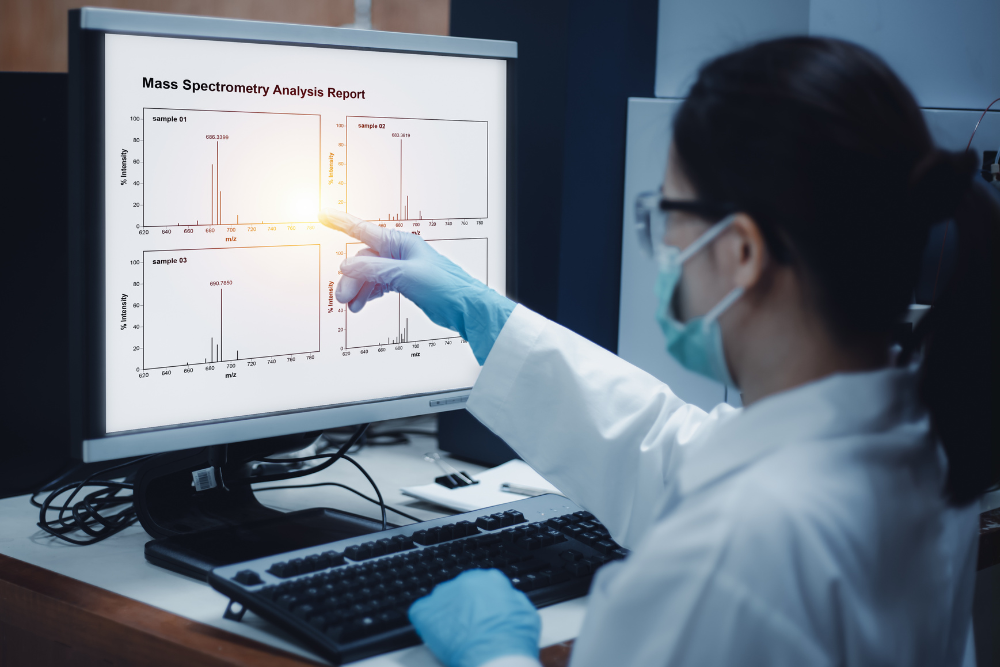
Gas Chromatography–Mass Spectrometry (GC-MS) combines the separation capabilities of gas chromatography with the molecular identification power of mass spectrometry. Following chromatographic separation, individual analytes are ionized and fragmented to produce distinct mass spectra that serve as molecular “fingerprints.” This technique enables definitive identification of controlled substances and related compounds, even in complex matrices or trace quantities. GC-MS is considered the analytical gold standard for confirmatory drug testing and forensic substance identification.’
Fourier Transform Infrared Spectroscopy (FTIR)
Fourier Transform Infrared Spectroscopy (FTIR) is a rapid, non-destructive analytical technique that identifies chemical compounds based on their infrared absorption characteristics. The infrared spectrum obtained represents the vibrational modes of molecular bonds, producing a unique and reproducible pattern for each substance. FTIR is routinely used for the preliminary and confirmatory identification of solid drug samples, excipients, and other materials through direct comparison with reference spectral libraries.