Forensic Biology/DNA
The Forensic Biology/DNA section identifies bodily fluids on evidence and performs DNA testing to support criminal investigations. In addition to detecting bodily fluids, analysts can also collect and analyze DNA to help determine who may have handled or worn an item.
The laboratory also operates a local casework database site for entering and searching DNA profiles in the state and national Combined DNA Index System (CODIS). CODIS helps connect unsolved cases, identify previously convicted offenders as contributors to crime scene evidence, and associate unidentified remains with missing persons.
Services Offered
DNA Analysis
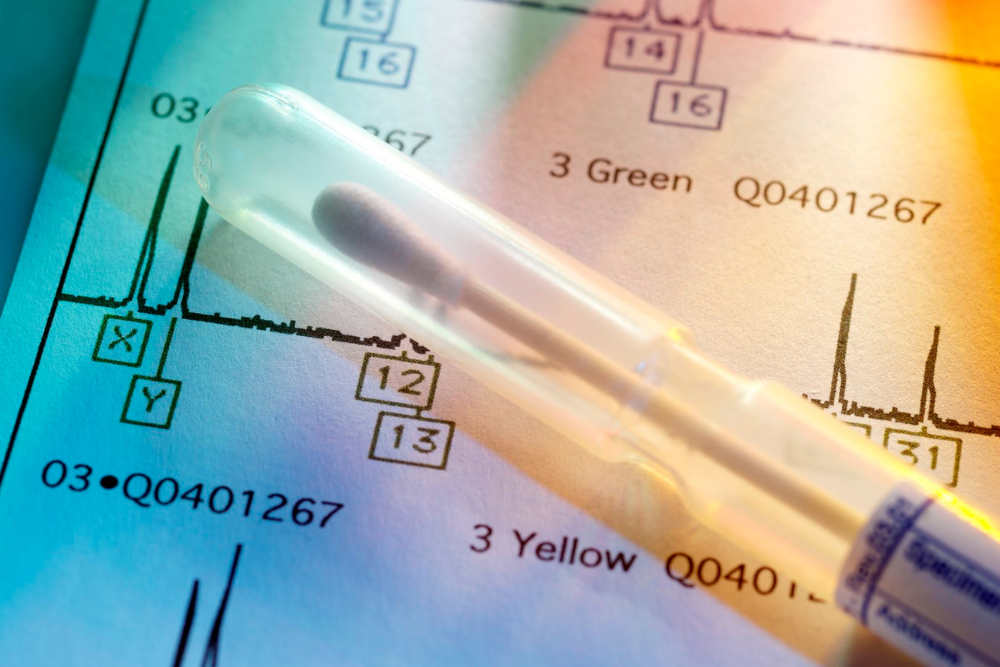
DNA Analysis is a multi-step process that uses advanced techniques to obtain reliable genetic profiles, even from limited or degraded samples. The process includes DNA extraction, quantification, and amplification at 22 genetic markers, followed by capillary electrophoresis.
Interpretable profiles are compared to known reference samples to help assess whether individuals may have contributed to the DNA detected on evidence.
CODIS DNA Database Searching
The Combined DNA Index System (CODIS), administered by the Federal Bureau of Investigation, allows forensic laboratories to search DNA profiles from unknown evidence against millions of stored profiles. These searches can generate investigative leads by identifying possible matches to known individuals or linking cases involving the same contributor. Reported matches are then reviewed by analysts to confirm or exclude the association.
Y-STR Technology
Y-STR analysis targets genetic markers located on the Y-chromosome, which is passed exclusively through the male lineage. This method is particularly useful in violent crime investigations such as sexual assaults or homicides when standard STR testing cannot detect a male component or when male DNA is present in very small amounts among an overwhelming amount of female DNA.