
Digital Evidence
The Digital Evidence Section is responsible for the forensic examination of electronic
devices and digital media submitted for analysis. Examinations are conducted to
acquire, preserve, analyze, and interpret electronically stored information that may be
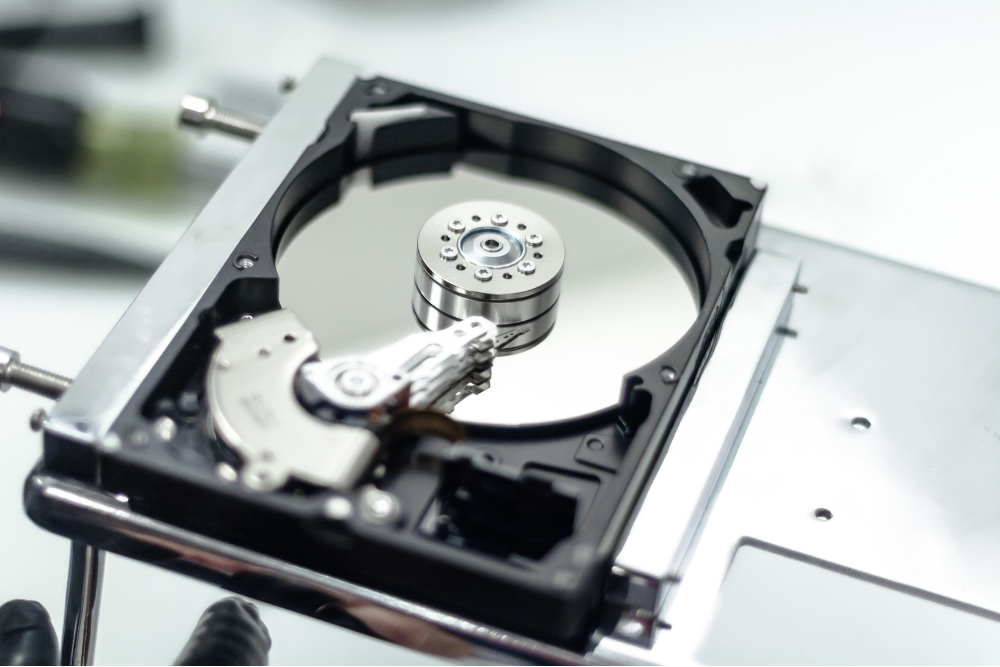
relevant to criminal investigations. Typical evidence sources include computers, external
hard drives, optical discs, flash memory devices, and digital cameras.
This section also conducts specialized examinations of mobile devices, including
smartphones, tablets, and other portable electronic devices, to extract and analyze user
data. Relevant data may include text communications, call logs, images, videos, audio
recordings, application data, internet activity, and system artifacts.
Services Offered
Upon completion of analysis, a comprehensive report is prepared summarizing the findings, methodologies, and interpretations. When required, analysts provide expert testimony regarding digital evidence recovery and analysis.
The section also provides technical assistance to investigative personnel regarding
the proper identification, seizure, transportation, and preservation of digital evidence.
Investigators are strongly encouraged to consult a forensic analyst prior to attempting
access or manipulation of any digital device.
Disclaimer
We provide forensic analysis of digital evidence in the English language only and are unable to examine or interpret non-English content. However, data extraction services are available for digital evidence in any language, and extracted data can be provided for external translation or review.