
Climate and Health
Climate plays a big role in our health. As the climate shifts, we’re seeing some health issues get worse and new ones appear. These include more breathing and heart problems, injuries from extreme weather, and changes in how food- and water-borne illnesses spread. Mental health is affected too.
What is climate?
Climate is the usual weather in a region over a long period of time. According to US Climate Data, in Onondaga County, the average annual high is about 58°F, and the low is about 40°F. We get around 41.5 inches of precipitation each year.
The changing climate in Onondaga County
Our area is getting warmer year-round. Summers are bringing more days over 90°F, and winters are seeing fewer days below 32°F. There’s also less snow overall, but we’re getting more lake-effect snow because the Great Lakes are warmer and have less ice. More winter precipitation is falling as rain instead of snow. Overall, we’re getting more precipitation, but it’s falling in heavier bursts with dry spells in between.
Looking ahead, average temperatures are projected to rise by 4.6° to 6.4°F in the next 25 years. Extreme heat days (90°F or higher) could jump from an average of 9 per year to 24–42. We had 20 of those days in 2024, 17 in 2025. Syracuse typically has around 130 freezing days a year, but by 2050, that could drop to 78–110 days. 2024 had the fewest days in over a century where temperatures dropped below freezing, with 84 days.
How the changing climate affects our health
Our changing climate can affect health in ways you might not expect. Learning what those effects are—and how you can help reduce their impact—can make a difference for you, your family, and your community.
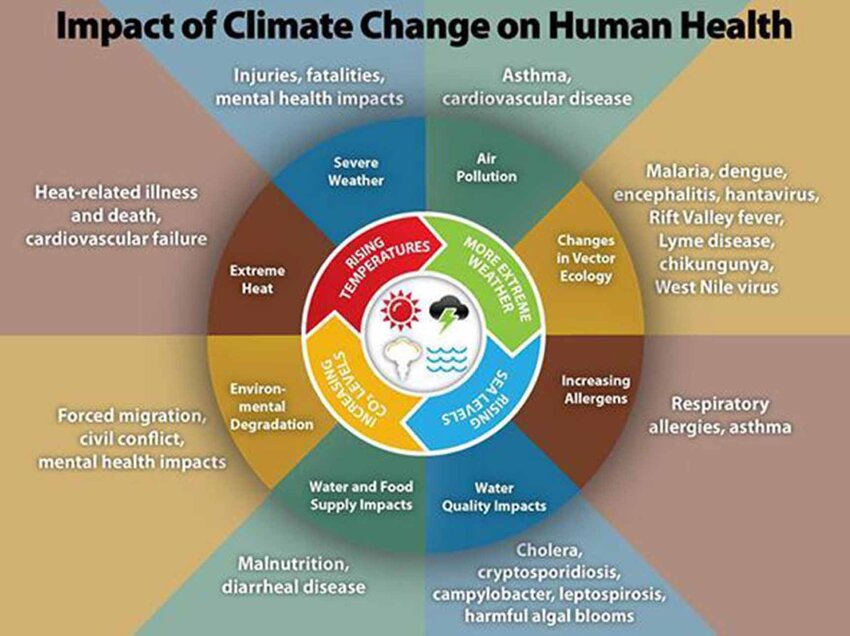
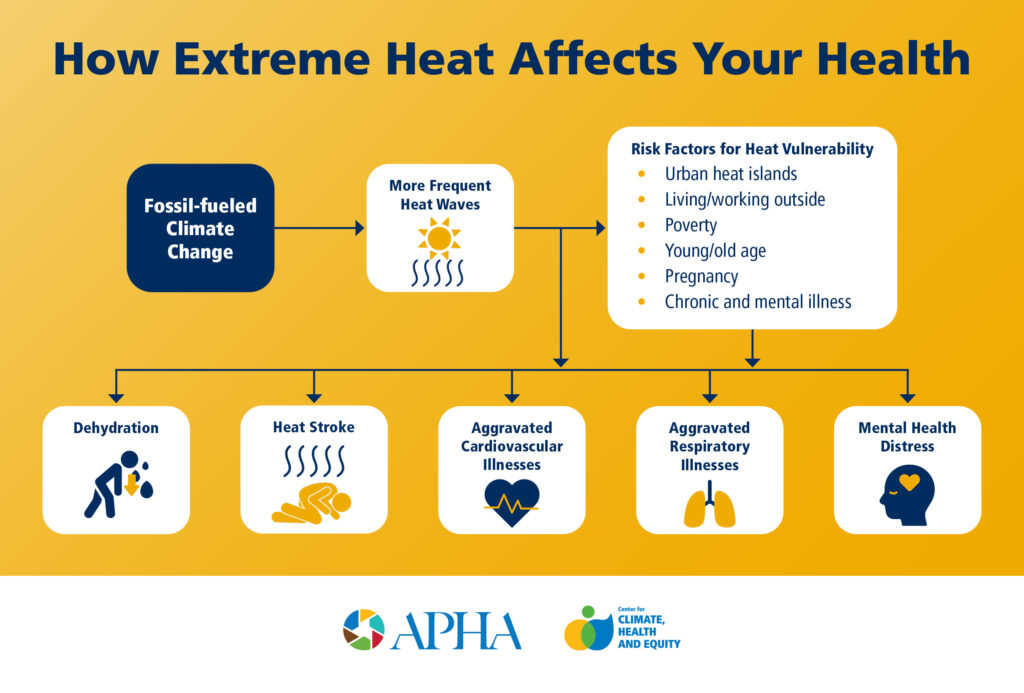
More people are getting sick from the heat. It can lead to dehydration, heat exhaustion, or worse—especially for people with heart and lung issues. Extreme heat is the leading cause of death by natural disaster, more than hurricanes, tornados, and flooding.
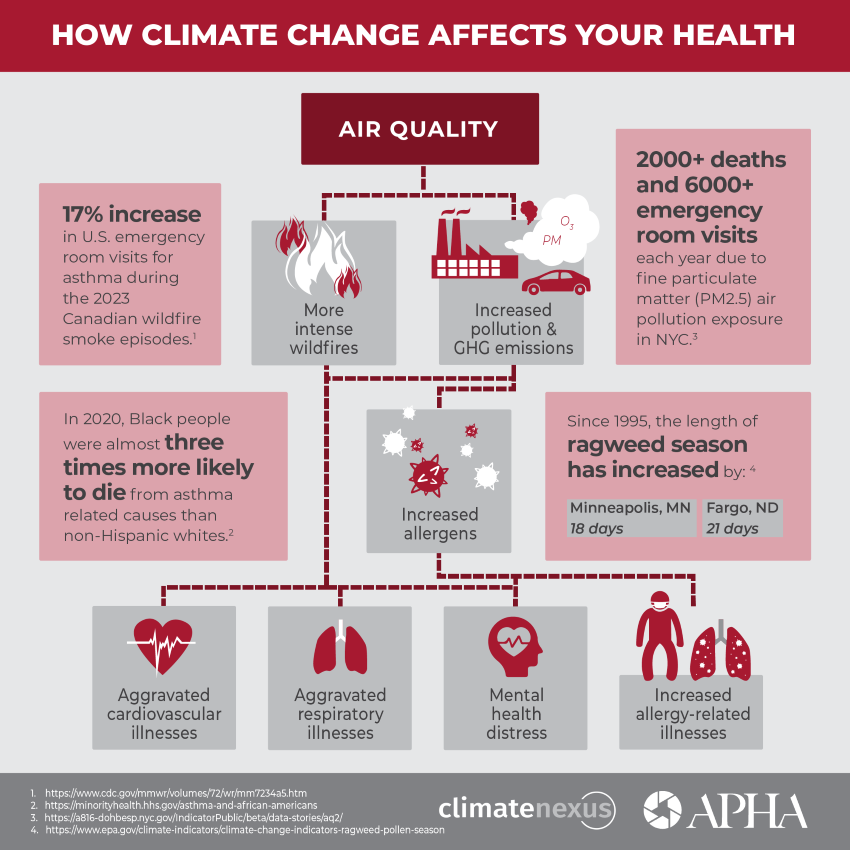
Poorer air quality due to wildfires, smog, and longer allergy seasons can trigger asthma, allergies, and breathing problems. Those with heart or lung illnesses may see worsened symptoms.
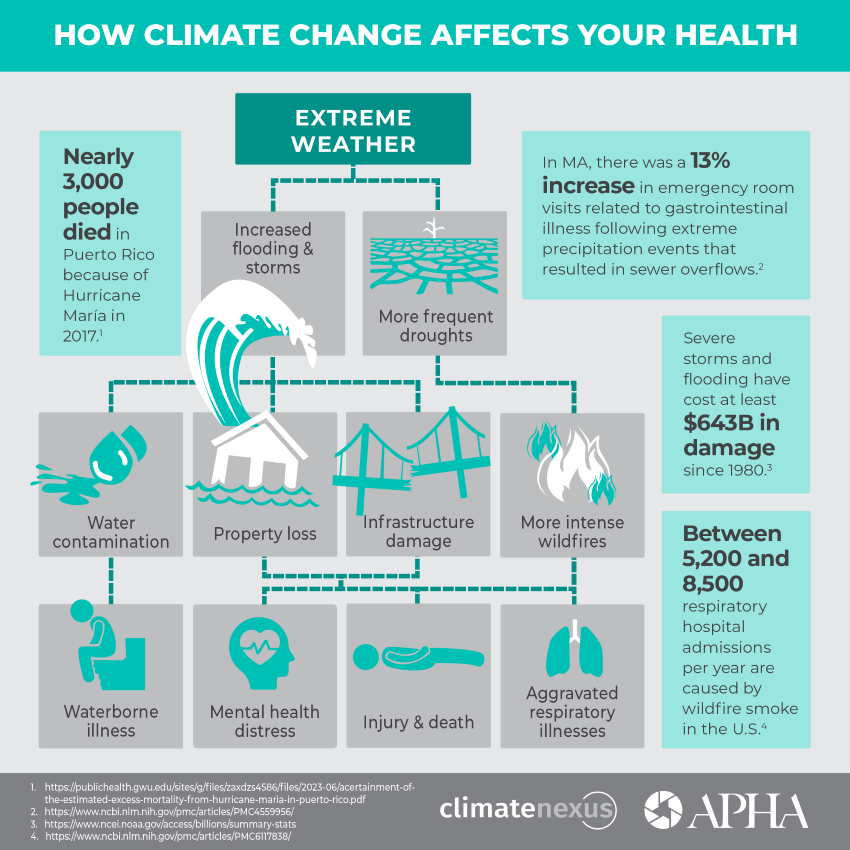
More severe weather (storms, floods, droughts) can cause injuries and displace people. Power outages can affect those who rely on electricity for managing their health conditions and long-term outages may affect our food supply and our physical health.
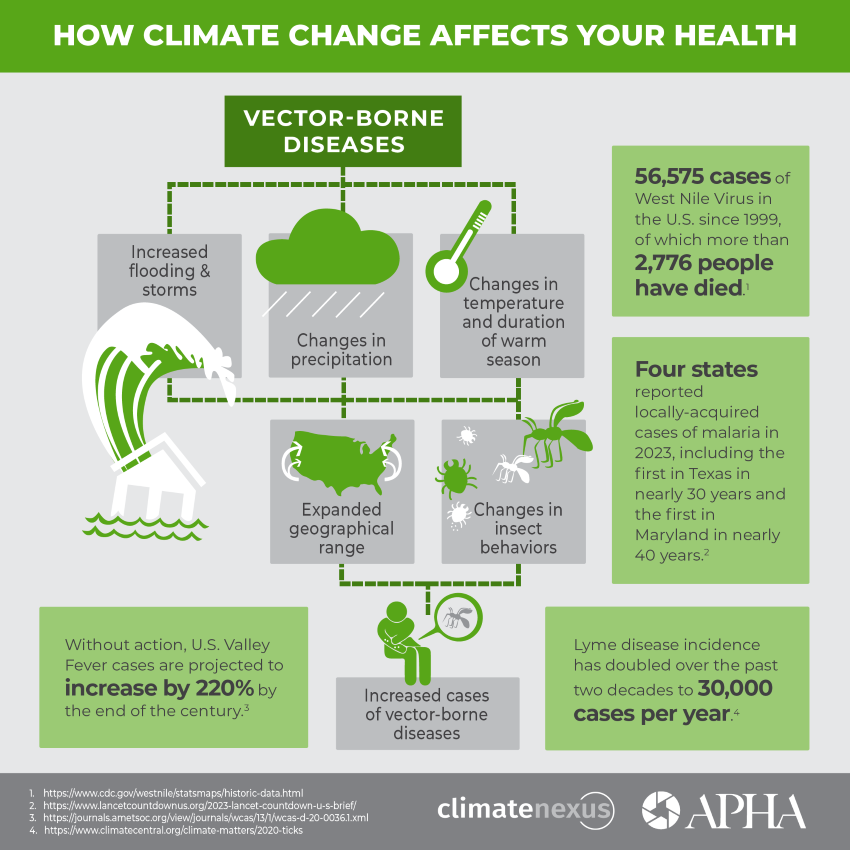
Increase in vector-borne diseases: Warmer weather and changing rainfall help ticks, mosquitoes, and rodents reproduce and spread diseases.
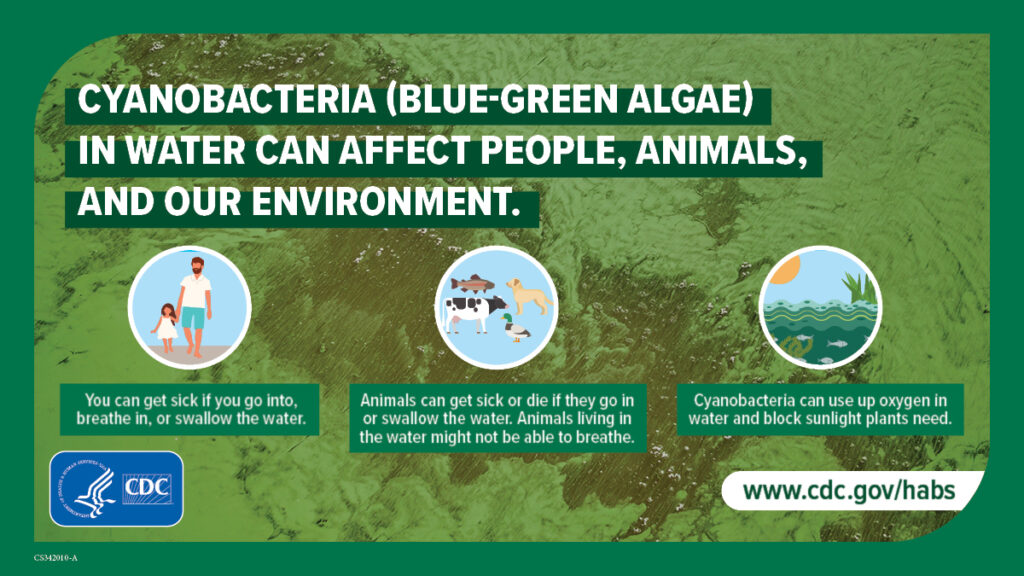
Water contamination: Warmer water temperatures and flooding can lead to harmful algal blooms (toxic bacteria) in lakes, affecting drinking water and water safety.
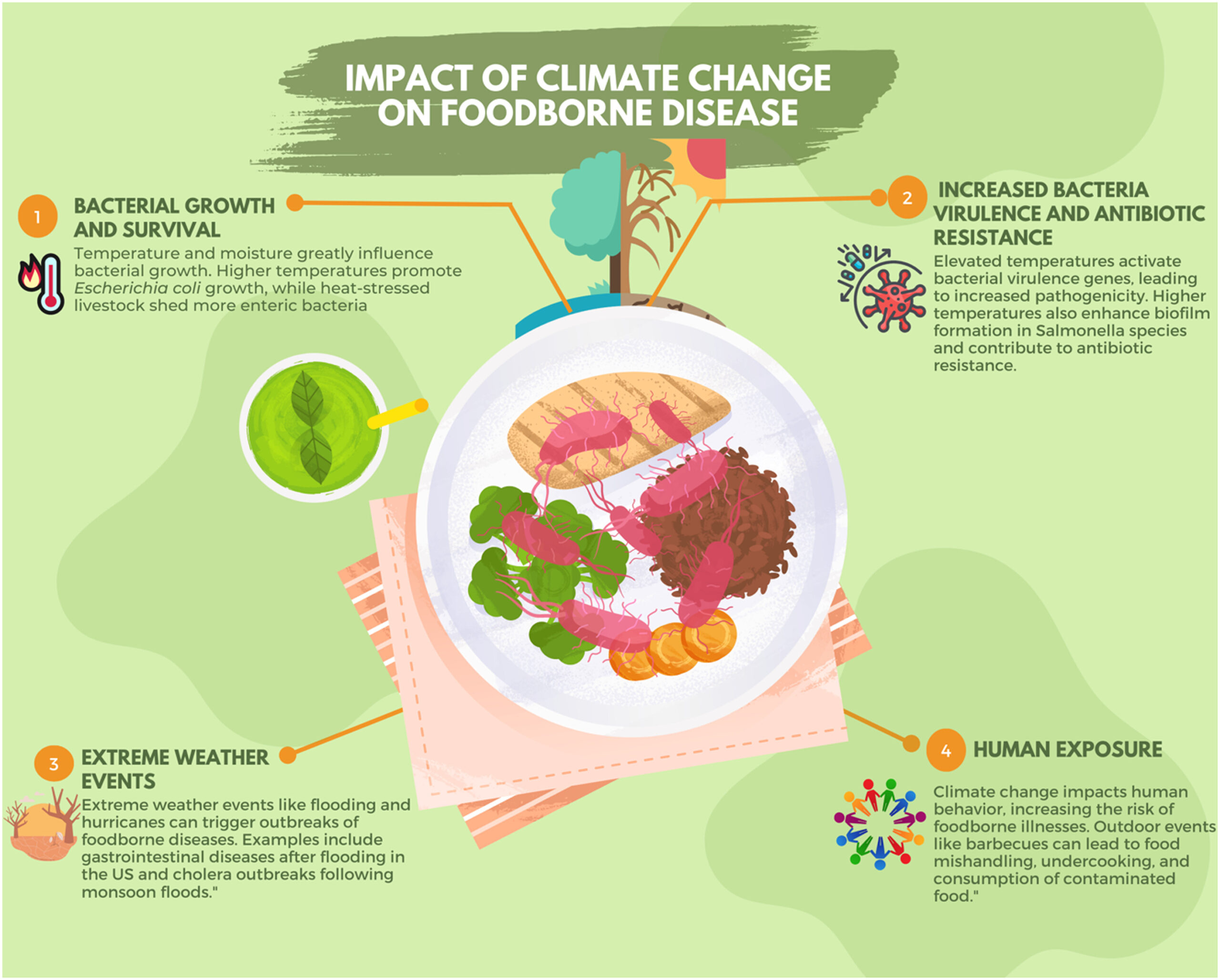
Food safety risks: Heat and extreme weather can increase the growth of bacteria and toxins in crops and food sources, resulting in the contamination of foods.
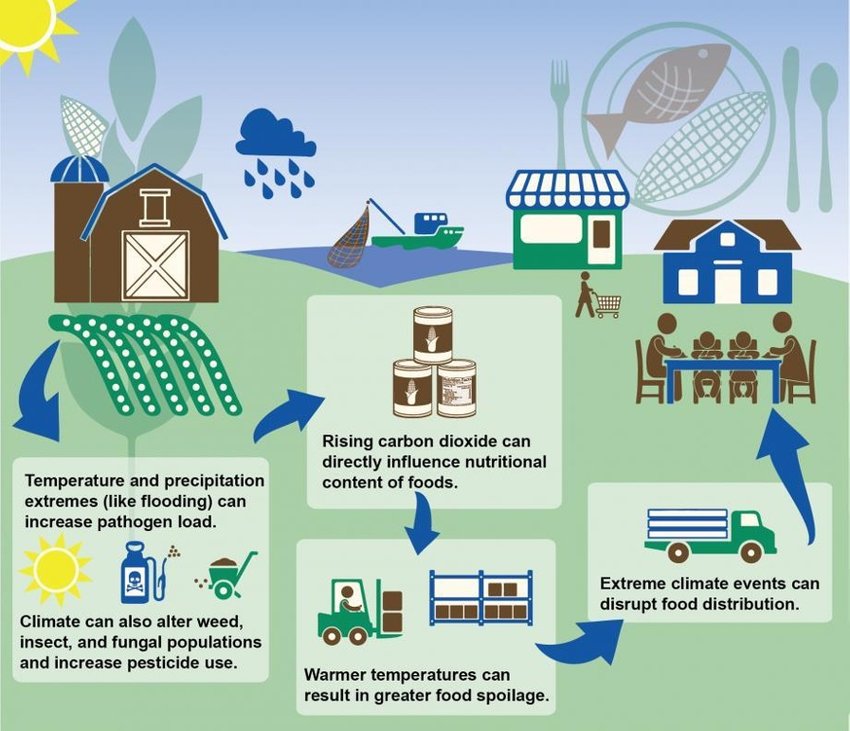
As temperatures and humidity rise, and droughts and extreme weather become more common, crops can fail, and food production can slow down. This can mean less food on the shelves and higher prices. When food becomes too expensive, families may have to make tough choices about what they can buy. A lack of affordable, nutritious food can lead to undernutrition, vitamin deficiencies, and hunger.
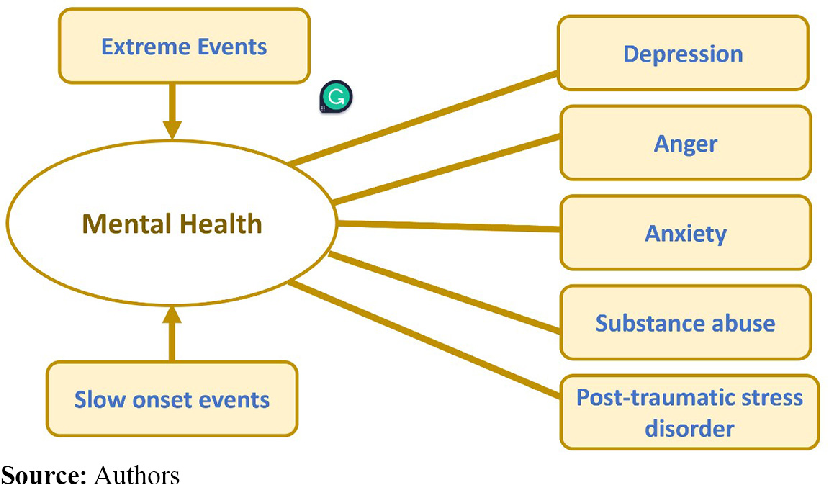
Mental health matters too: Extreme weather and health problems can increase anxiety, stress, and depression; strain social relationships; increase domestic and substance abuse; and more.
What You Can Do
State and Local Efforts
New York State Programs
Onondaga County & City of Syracuse Initiatives
For Healthcare Providers
The CDC offers guidance to help providers talk with patients about climate-related health issues.