Central New York is no stranger to cold winters. While brief exposure to cold can have some benefits—such as boosting metabolism, reducing inflammation, and improving mental clarity—prolonged or extreme cold can be dangerous, leading to hypothermia and frostbite.
Extreme Cold, Cold Waves, and Wind Chill
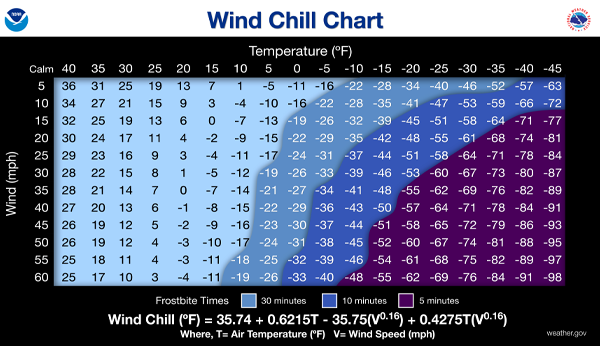
When temperatures stay at or below 0°F, that’s extreme cold. If we get two or more of those bitterly cold days in a row, we call it a cold wave. Wind chill is how cold it actually feels on your skin when wind is added to the air temperature—it can make a cold day feel dangerously colder.
Last winter (2024-2025), Onondaga County had 45 days where the high temperature didn’t even reach freezing (32°F) and 9 nights that dipped below 0°F. That kind of cold can be risky for your health and safety—especially if you’re outdoors without proper protection.
Anyone can be affected by the cold—even healthy, active people—especially when the temperature drops below freezing (32°F). In cold weather, your body can lose heat faster than it can make it. Over time, you burn through stored energy, and your core temperature can start to fall. Prolonged exposure to cold temperatures can lead to hypothermia, frostbite, and other serious health problems.
Stay Safe in the Cold:
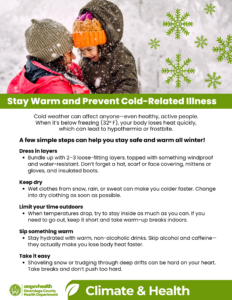
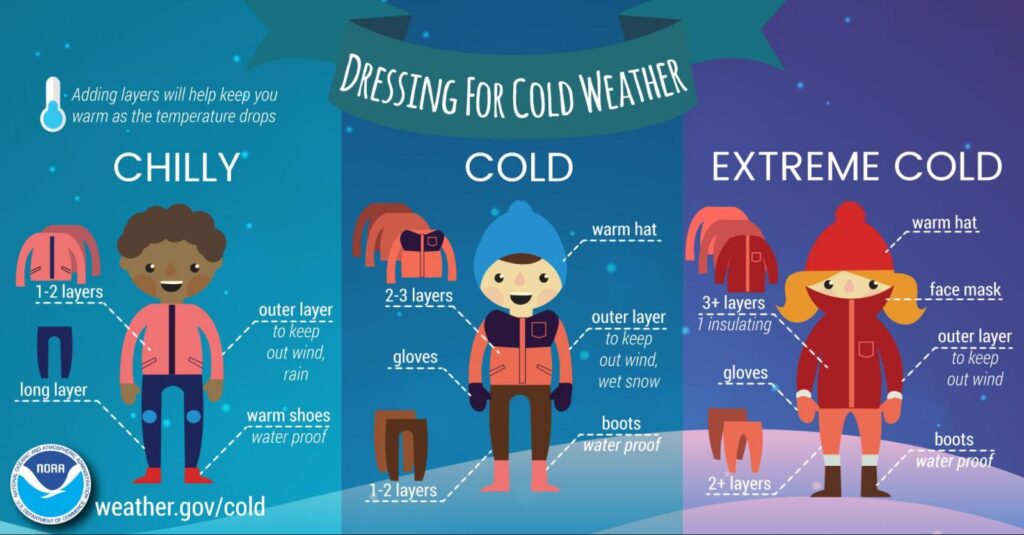
Dress for the weather – Keep all skin covered. Wear 2–3 layers of loose-fitting clothes with a windproof, water-repellent outer layer. Add insulated boots, mittens or gloves, a hat, and a scarf or face mask to protect your face.
Stay dry – Wet clothing from snow, rain, or sweat will make you colder. Change into dry clothes as soon as possible.
Limit your time outdoors – Avoid going out during extreme cold if you can. If you must go outside, keep it short and take frequent warm-up breaks indoors.
Drink warm fluids – Stay hydrated with warm, non-alcoholic drinks. Avoid alcohol and caffeine—they can make you lose body heat faster.
Pace yourself – Activities like shoveling or trudging through deep snow can strain your heart. Take breaks and don’t overdo it.
Extra Care for Infants and Young Children:
Outdoor time — Avoid outings when temperatures and wind chill are below -15°F. Dress children in warm layers, adding one more layer than you’d wear. And keep playtime short.
Strollers — Use a weather shield or cover the stroller with a blanket to block wind, snow, and rain.
Sleeping — Keep their room warm and crib free of loose blankets and pillows. Use one-piece sleepers or wearable blankets instead.
Car seat — Remove bulky coats or snowsuits before buckling your child in. These can prevent straps from fitting safely.
Pets are part of the family and need extra care when it’s cold outside.
Whenever possible, keep pets indoors during cold weather. If they must be outside, make sure they have a warm, well-insulated, draft-free shelter.
Even furry pets can get frostbite or hypothermia. Instead of long walks, opt for short, frequent ones when it’s freezing. Watch for signs of hypothermia like shivering, sluggishness, or trouble breathing. Frostbite signs include swelling, pain, or skin discoloration. If you notice any of these, get your pet to a vet right away.
For short-haired or cold-sensitive pets, a sweater or coat can help keep them warm—just make sure it doesn’t get wet, or it could actually make them colder.
Working or Recreating Outdoors
If you work or recreate outdoors, keep these tips in mind:
Try to do your outdoor or tough activities during the warmest part of the day whenever you can.
Dress in layers — wear loose, insulating clothes with a windproof and water-resistant outer layer. Don’t forget insulated boots, a warm hat, gloves or mittens, and something to cover your face.
Drink plenty of water and warm, non-alcoholic beverages to stay hydrated.
Pace yourself. The cold can strain your heart.
Take warm-up breaks in warm, dry places.
Use the buddy system! Watch out for each other, remind one another to take breaks and drink water, and keep an eye out for signs of cold-related illness.
Limit the time children are outdoors playing and have them change out of wet clothing when they come inside.
Cold-Related Illnesses
Just like extreme heat can cause heat-related illnesses, extreme cold can harm your body too. The most common cold-related illnesses include:
Hypothermia is when your body loses heat faster than it can make it, causing your core temperature to drop below 95°F.
Signs & Symptoms of Hypothermia:
Shivering (may stop as condition worsens)
Slurred speech or mumbling
Clumsiness or stumbling
Confusion or memory loss
Drowsiness or exhaustion
In severe cases, unconsciousness
First Aid for Hypothermia:
Call 911 immediately.
Move the person to a warm, dry place.
Remove wet clothing and replace with warm, dry layers.
Wrap them in blankets, including the head and neck.
Offer warm, sweet (non-alcoholic) drinks if they are alert.
Warm the body’s core first—chest, neck, and head—using dry blankets, heating pads, or your own body heat.
Frostbite is the freezing of the skin and underlying tissues, usually affecting fingers, toes, ears, nose, and cheeks.
Signs & Symptoms of Frostbite:
Numbness or loss of feeling in the affected area
Skin that is white, grayish-yellow, or waxy
Firm or hard skin
Blisters after rewarming
First Aid for Frostbite:
Seek medical attention as soon as possible.
Move to a warm location immediately.
Avoid walking on frostbitten feet or toes unless absolutely necessary.
Do not rub or massage the area—it can cause more damage.
Protect and loosely wrap the area with dry, sterile dressings.
Don’t try to warm the area yourself. If the person is exposed to cold again, it could make the damage worse. It’s best to let medical professionals handle the rewarming. But if you can’t get medical help right away, try warming the area slowly—like soaking it in lukewarm water or using your own body heat. Just don’t sit next to a fire or heating source and avoid heating pads.
Immersion (also known as trench foot) is an injury to the feet or hands caused by prolonged exposure to wet, cold conditions—can occur even in temperatures above freezing.
Signs & Symptoms of Immersion:
Cold, swollen feet or hands
Numbness or tingling
Blotchy skin, sometimes red or blue
Later, skin may peel or blister
First Aid for Immersion:
Remove wet footwear and socks or gloves.
Gently dry the feet or hands and keep them warm.
Elevate to reduce swelling.
Avoid walking on the affected feet or using the affected hands until fully recovered.
Seek medical care for severe cases or if blisters/infection appear.
Staying Warm When the Power is Out
Winter storms can knock out power, and when that happens, staying safe and warm becomes your top priority.
Find a warm place – If your home relies on electricity for heat, think about relocating to a place with power. During the day, that could be a library, community center, or shopping mall. If the outage lasts overnight, see if you can stay with friends or family who have heat.
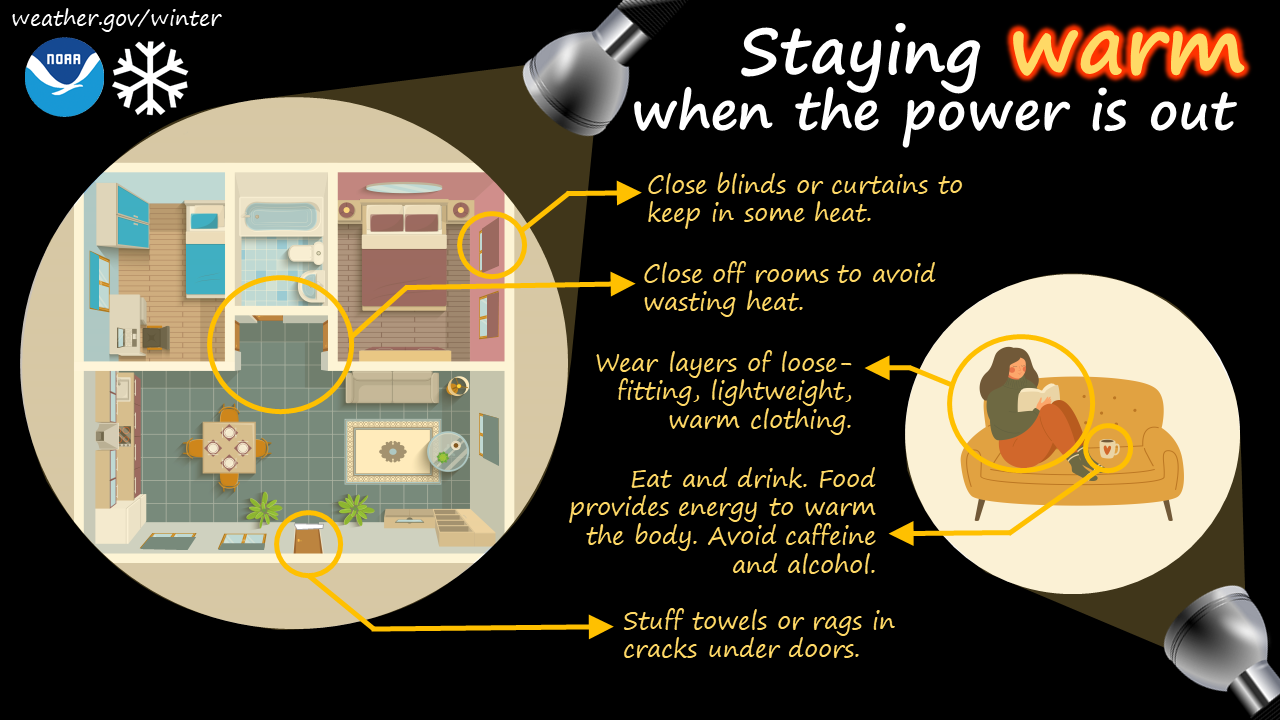
Keep the heat you have – Close blinds or curtains to trap warmth inside. Shut doors to unused rooms so heat stays where you need it most. Place towels or blankets at the base of exterior doors to block drafts.
Use heat sources safely — If you use an alternative heat source, follow all safety instructions carefully to avoid fire or carbon monoxide risks. Never use gas grills indoors and avoid open flames.
Bundle up – Dress in layers, just like you would outside. Wrap up in blankets or sleeping bags. Sip warm, non-alcoholic drinks to help maintain body heat.