
Hazardous Materials, Chemical Spills and Radiation
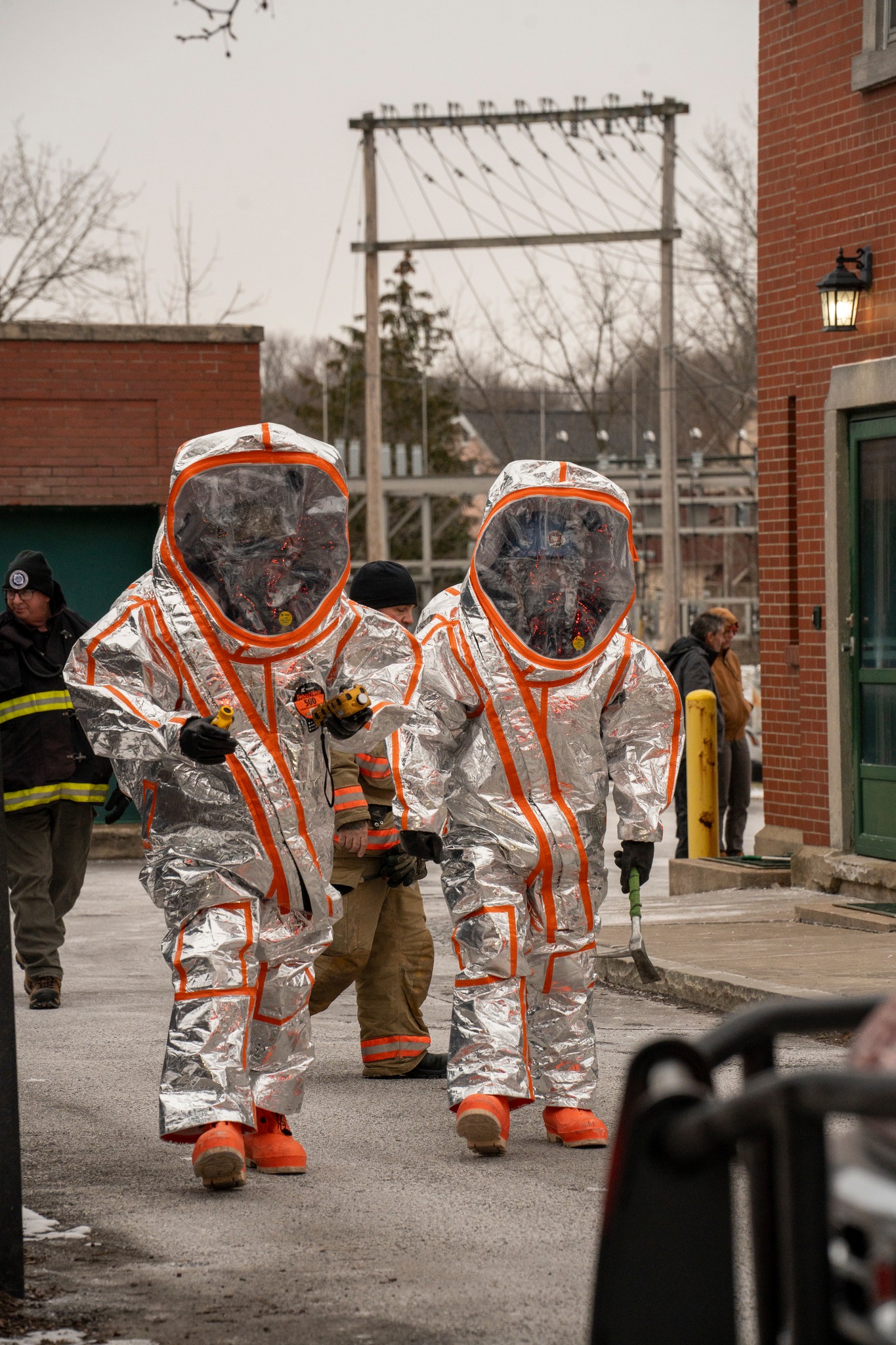
Handling Hazardous Materials, Spills, and Radiation Safely
Many people come into contact with or use hazardous materials in their daily lives. While small spills may still occur, major spills require immediate action. If a significant spill happens, it is important to contact the proper authorities, who will provide guidance on the safest course of action and respond to the scene.
Facts About Hazardous Materials
Hazardous materials are not just radioactive or poisonous materials, they can also include flammable and combustible substances, as well as poisonous vapors, aerosols, liquids, and solids that have toxic effects on people, animals, or plants. Emergencies related to hazardous materials can happen at any time, whether it is during the creation, storage, transportation, use, or disposal of the materials. Signs of a chemical release include difficulty breathing, eye irritation, loss of coordination, nausea, or burning in the nose, throat, and lungs. The presence of many dead insects or birds may indicate a chemical agent release.
Before an Incident Occurs
It is important to create a plan before a chemical agent release occurs. To learn more information about what chemicals or hazardous materials could affect the area you may live or work in, send a request to our email at emweb01@ongov.net. We will work to get that information to you as soon as we have received your request.
Create a Family Emergency Plan.
Know how to operate your homes ventilation system.
Identify an above-ground shelter room with as few openings as possible.
Read more about sheltering in place. (Link to sheltering page)
When an Incident Occurs
Hazardous materials, chemical spills, and radiation incidents can happen fast. That is why it is important ahead of time to know what to do before, during, and after an incident occurs.
If an incident does occur it is important to stay informed on what is occurring whether it is from our department, elected officials, local radio, or a television station. All of these sources will be able to provide up‑to‑date information on what is occurring and the instructions you will need to follow. Depending on the scope of the incident those directions may change from sheltering in place to evacuating an area entirely. The tips below are credited to and provided by FEMA and Ready.gov.
After an Incident
Once an incident has occurred it is important to wait for authorities to declare it is safe to either go outdoors or return home. It is important to wait until the area has been declared safe. If you become affected by a chemical agent seek immediate help. If help is not available, the best action is to decontaminate yourself and help others do so too if possible.
*Credit: The information on this page is credited to and adapted from FEMA and Ready.gov resources. Their materials were used as foundational guidance and adapted to provide Onondaga County–specific preparedness information.